Problem
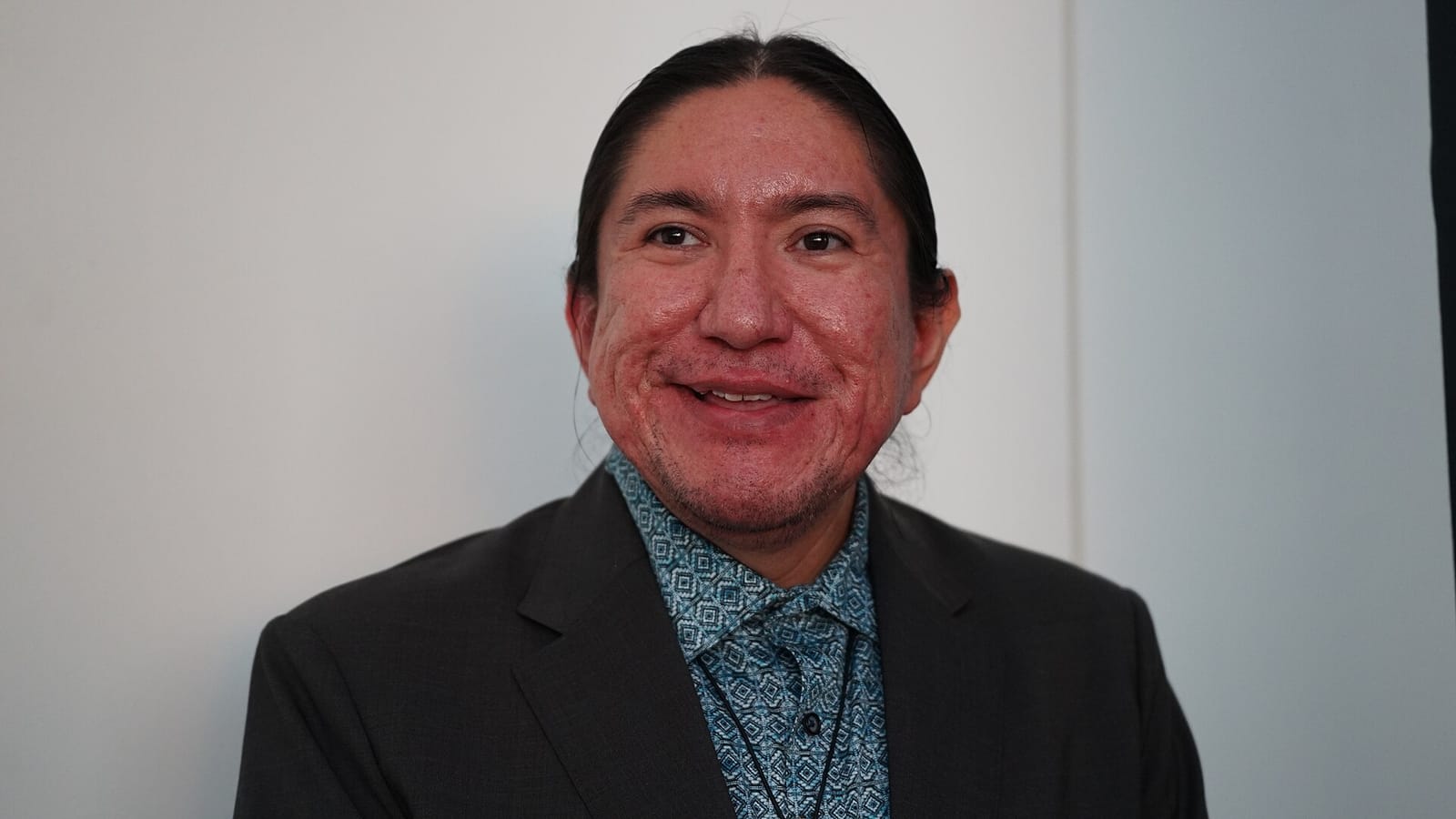
Michael Running Wolf has a picture of where he wants his work to end up. A grandmother opens a cabinet drawer, takes out a small box and hands it to her grandchildren so they can practice their language with it. That box has not been built yet.
In many Indigenous nations, a small number of fluent speakers carry the language for everyone else. “You may only have a handful of teachers and thousands of tribal members who want to learn. It’s just really hard to keep up,” Running Wolf told Prism in February 2026. He says learners end up stuck at an early level: they know the basics but cannot move on.
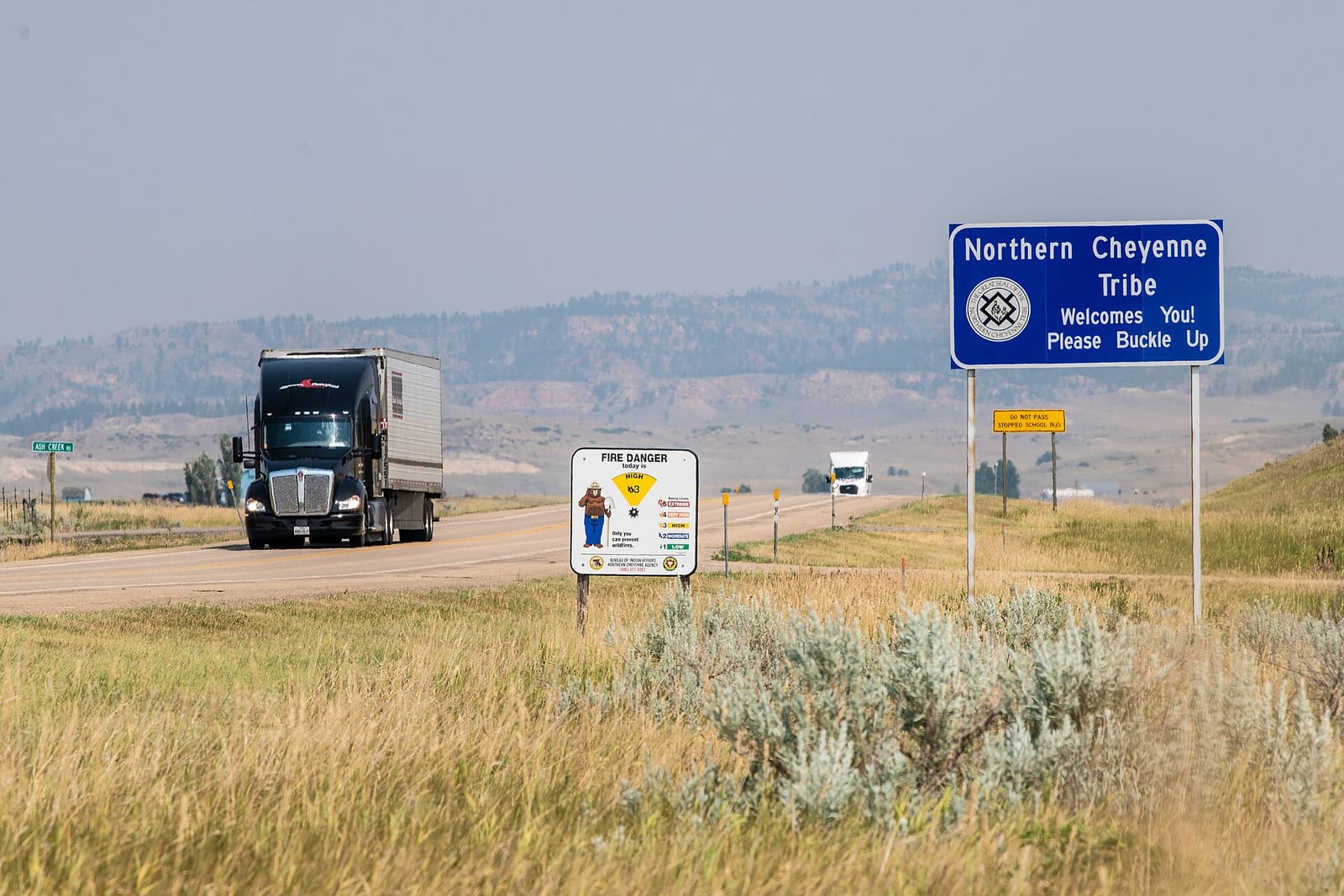
A 2021 Northeastern University profile of Running Wolf shows the scale: about 500 fluent speakers among roughly 10,000 Cheyenne people, and only 16 speakers of the Makah language. Mila’s project page cites the widely used estimate that one Indigenous language disappears every two weeks.
Speech recognition, the AI that turns spoken words into text and powers voice assistants, usually needs hundreds of hours of recorded speech to build. Running Wolf points out that a speech recognizer for the Māori language was built with about 300 hours of annotated audio. Many Indigenous languages have far less recorded audio, and some have “little to no speakers left”.
There is also the question of who holds the recordings that do exist. Running Wolf calls universities “the biggest offender”: “Terabytes of tribal data isn’t accessible to tribes within university data sets”. He says the data behind other large speech and language models was “unethically gathered”.
AI solution
FLAIR does foundational research on speech recognition, with one aim: to make a custom model for an endangered language quickly, from much less audio than the usual hundreds of hours. Think of it as teaching a computer to hear a language from a short course instead of a whole library.
Linguist Conor Quinn leads what the team calls “Minimal Courses,” which decide what speech to record and also work as teaching material for learners.
The team wants the system tuned to each language, so it can show which parts are hardest for new learners, for example how speech changes when you talk to an elder rather than a friend. The tool is meant to back up the tribe’s own teachers and curriculum, not replace them. “AI lets us scale pronunciation guidance and practice so the burden isn’t all on those few speakers,” Running Wolf said.
The planned device is deliberately low-tech: a “chat box” with speakers and microphones for classrooms, and later homes, that works with no internet connection and no updates. “I want something that will exist a decade from now,” he said. At the Indigenous Tech Conference in Vancouver in January 2026, he described a home where you could tell the lights to switch off in Lakota or Diné, so “it can make your language ambient to your home”.
The project’s data rule is strict. All language and cultural data stays the property of the tribe. It is licensed only for research. The community can withdraw consent at any time without giving a reason, and if it does, FLAIR deletes the data and gives the tribe a copy. “I want communities to know that we’re a trusted partner, and it’s not a one-way door,” Running Wolf said.
Impact
The team has not claimed any results yet. In 2021, the software Running Wolf’s team was building could recognize single, simple words in some languages; the languages named then were Cheyenne, Lakota, Kwak’wala and Mashpee Wampanoag. We found no newer public figure on accuracy, or on how little audio the method now needs.
In February 2026, Prism reported that FLAIR would introduce its AI to communities “this year”. We found no public confirmation that this has happened. After that step, the team plans to release its code and methods openly, without any audio or cultural content, so other tribes can build their own tools. In December 2025, Running Wolf gave a FLAIR update at a gathering for Indigenous researchers at NeurIPS, a major AI research conference.
All of this comes from the team and from interviews with Running Wolf. No independent evaluation has been published.
People
Running Wolf grew up in a small rural village in Montana, among his mother’s family. His mother was an engineer and his father a Lakota artist. He is Northern Cheyenne, with Lakota and Blackfeet family ties, worked as an engineer on Amazon’s Alexa, and is now a PhD student at McGill University. He began working on speech recognition for Indigenous languages in 2019. He calls himself “an AI skeptic,” wary of tools that a tech company can switch off.
He co-founded FLAIR with three others:
- Caroline Running Wolf, a citizen of the Crow Nation and a PhD student at the University of British Columbia, leads community relations.
- Shawn Tsosie (Navajo and Little Shell) is the lead machine learning scientist.
- Conor Quinn is the lead linguist.
The project is hosted at Mila, with McGill University, IndigiGenius and the Université de Montréal listed as partners.
Behind all of them are the fluent speakers and teachers whose voices any model would learn from. Running Wolf does not want FLAIR to be their only option. With more than 500 tribes in the US, Prism notes, no single team could build and keep up language AI for all of them. “I want tribes to take over their own destiny”. In 2021 he put it this way: “Languages are living things,” and “Preservation isn’t what we want”.
Why it matters
Language technology is usually built far from the communities whose words it uses. FLAIR is trying other terms: models from little data, a device that runs offline, and a tribe that can say no at any point and get its recordings back. There are no results yet. If the approach works and the methods are shared as planned, other nations could build their own tools on their own terms.
What we could not confirm (7)
- Which communities or languages are working with FLAIR now, and whether any learner or teacher has used it.
- Any accuracy, audio-hours or classroom result since the single-word recognition reported in 2021.
- Whether the offline device exists beyond the plan, and whether the code and methods have been released. We found nothing on public code sites.
- How many languages FLAIR covers. NBC News reported in November 2024 that the team was building models for “over 200” Indigenous languages; Mila’s own page speaks only of “a specific set of Indigenous languages in North America” and names none. We do not use either as a count.
- FLAIR’s legal form and funders. Prism calls it a company; Mila calls it an initiative.
- The speaker counts for Cheyenne and Makah come from a 2021 profile and may have changed.
- No elder or language teacher working with FLAIR has spoken publicly in the sources we found.
FAQs (5)
What is FLAIR?
First Languages AI Reality (FLAIR) is an Indigenous-led research program hosted at Mila, the Quebec AI institute in Montreal. It develops speech recognition for endangered Indigenous languages in North America that can be built from much less recorded audio than usual.
Who owns the language data?
The tribe. According to Running Wolf, data is licensed only for research, and a community can withdraw consent at any time without giving a reason. FLAIR then deletes the data and returns a copy to the tribe.
Can people use FLAIR today?
Not as far as we could find. In February 2026 the team said it would introduce its AI to communities during the year, but no public source confirms that any community or learner is using it.
Does it need the internet?
The planned classroom and home device is designed to work fully offline, with no updates, so it can keep working for years in places with poor connections.
Will the technology be open source?
That is the plan: code and methods, without audio or cultural content, so that other tribes can build their own tools.
Sources (8)
Mila, 'First Languages AI Reality' project page, accessed October 31, 2026
NBC News, 'How Indigenous engineers are using AI to preserve their culture,' November 29, 2024
Genome BC, Genomics Forum 2026 speaker page for Michael Running Wolf
Fact-checked against sources on October 31, 2026. Spot an error? Tell us.
This story supports