Problem
Tuberculosis can be prevented and treated. Even so, in 2024, 10.7 million people fell ill with TB and 1.23 million died, according to WHO figures cited by the research team.
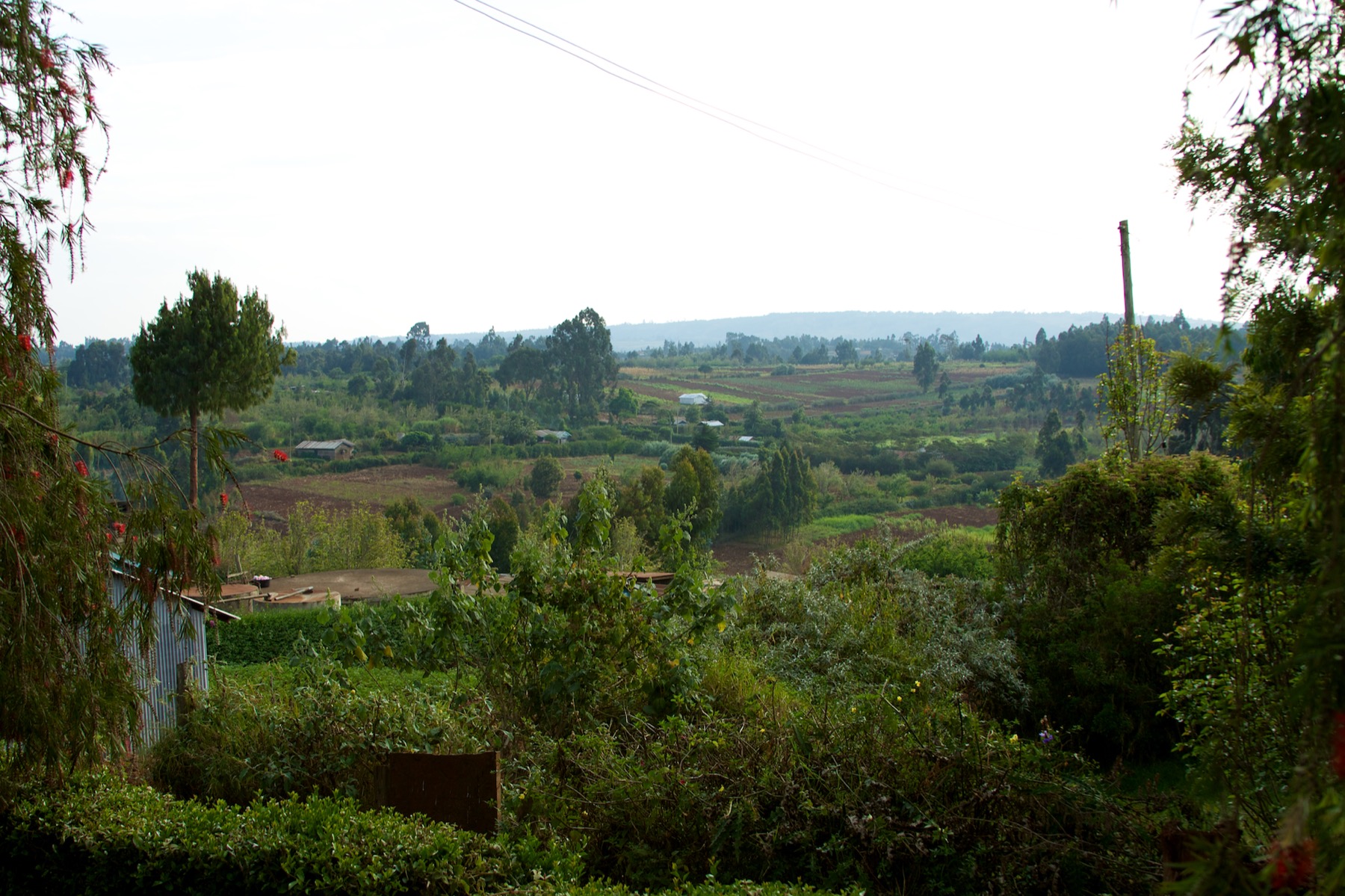
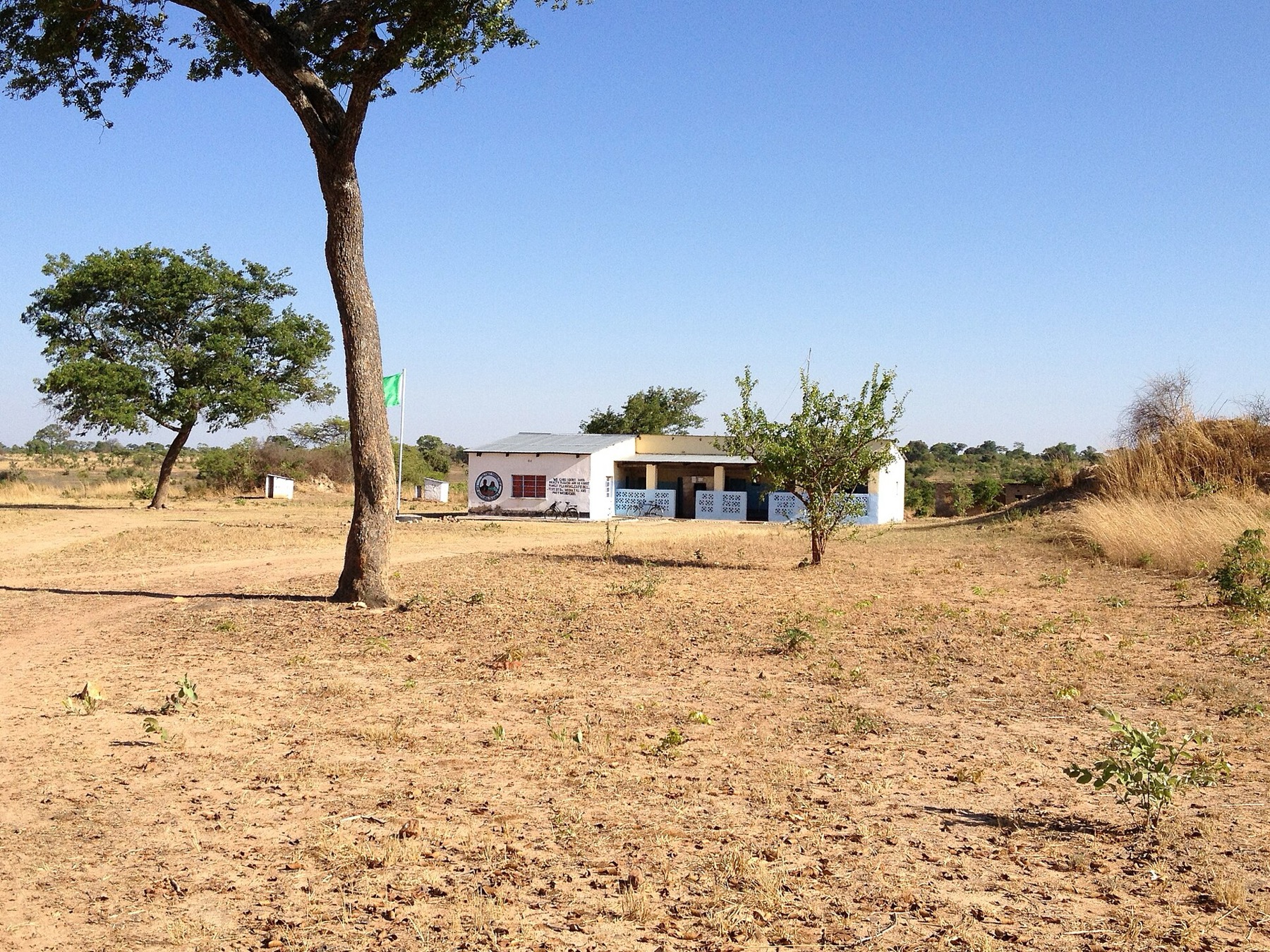
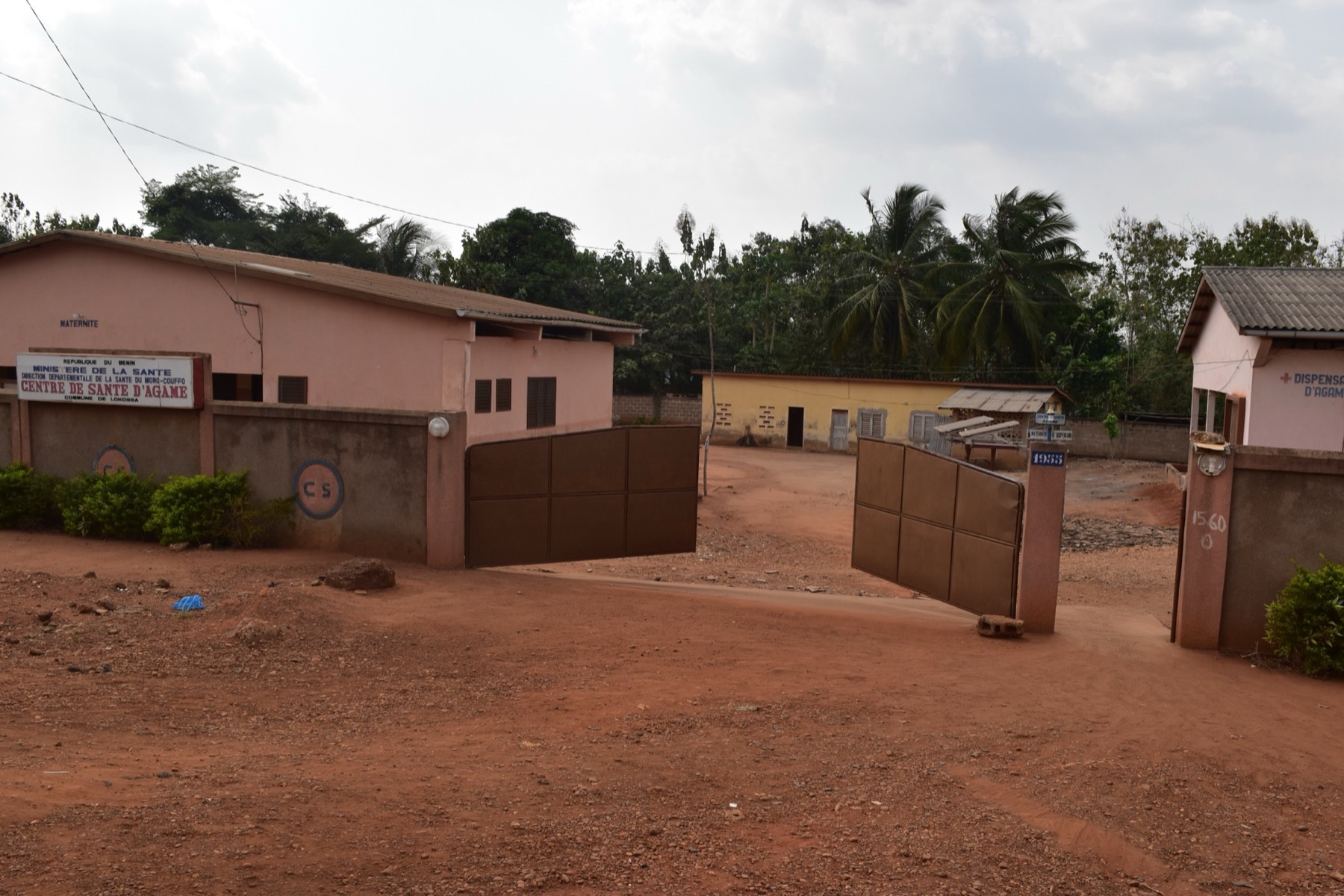
In sub-Saharan Africa, most people who might have TB first go to a primary care clinic, where chest X-rays and molecular tests are “virtually absent,” according to the EU’s official project record.
“TB remains the world’s deadliest infectious disease, yet it is massively underdiagnosed,” said Grant Theron, a professor at Stellenbosch University in South Africa, in 2025. “A major challenge is that we often test the wrong people at the wrong time.”
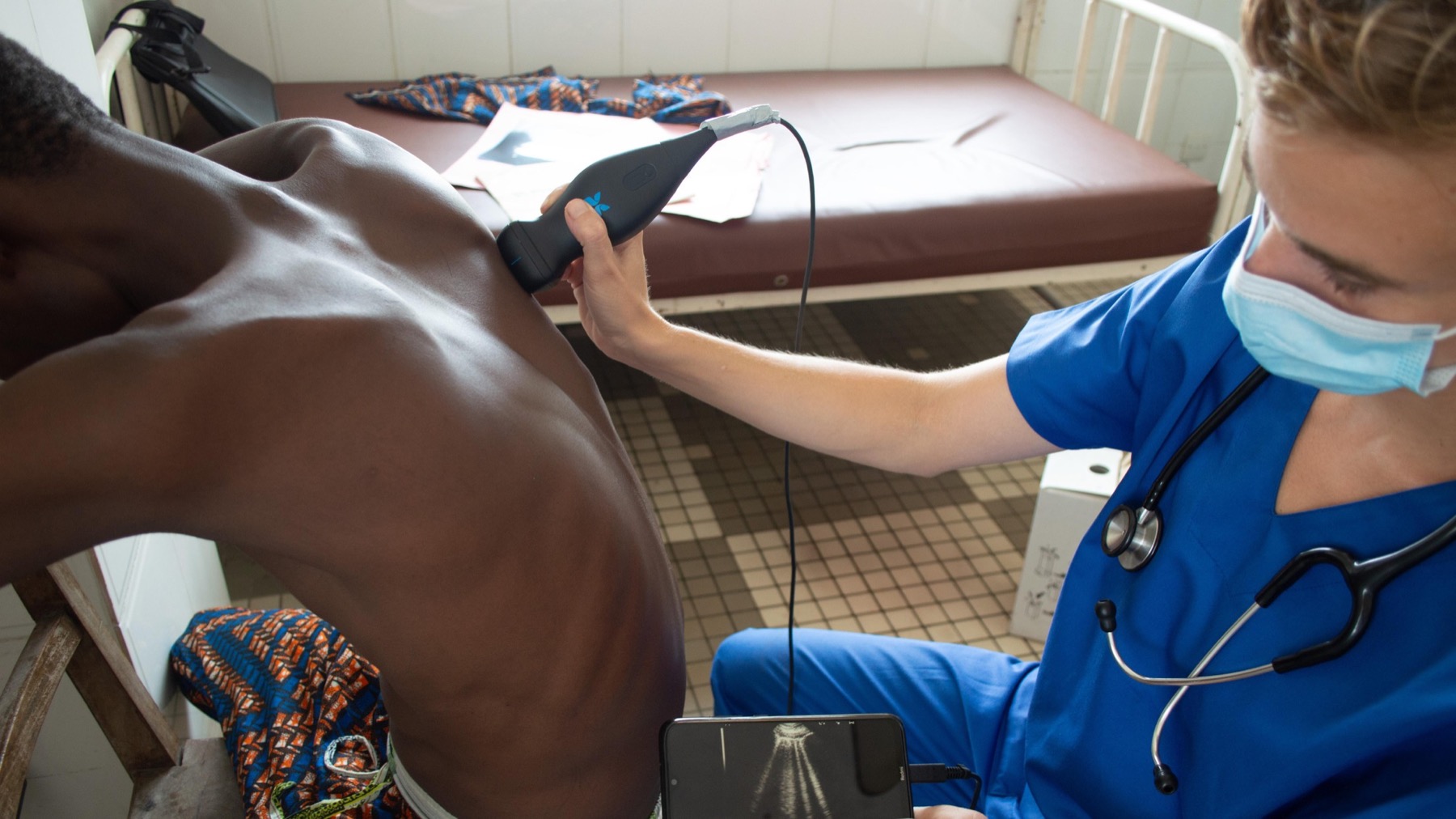
A handheld ultrasound probe that plugs into a phone needs no lab and no sputum sample. Reading the images is the hard part: “ultrasound interpretation requires a lot of training and specialized skills, which is often not accessible to frontline healthworkers,” said Noémie Boillat-Blanco, an infectious diseases physician at Lausanne University Hospital (CHUV), in 2025.
AI solution
The tool is called ULTR-AI, short for “Ultrasound-led TB recognition using AI.” The LiGHT laboratory at EPFL in Switzerland built it with CHUV and clinicians in Benin.
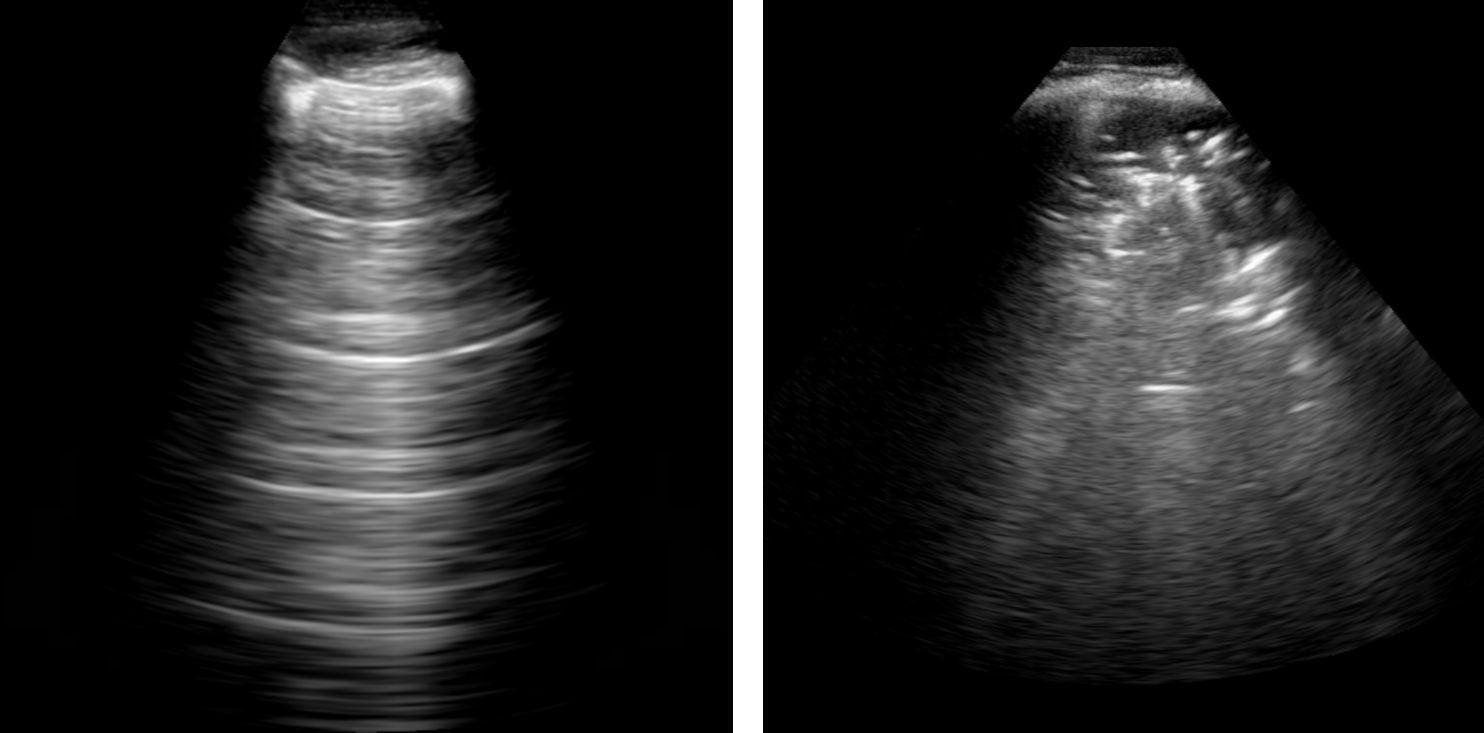
The person scanning moves a portable probe (a Butterfly iQ+, made by Butterfly Network) over 14 set points on the chest, recording a short video at each. The AI picks out the useful frames in every video and combines what it finds into one score for the patient. Its answer is simple: refer this person for a TB test, or TB is unlikely.
How it works
- 01 Scan A phone-connected probe records short videos at 14 set points on the chest.
- 02 Read The AI picks the useful frames and combines them into one score for the patient.
- 03 Triage Refer for a TB test, or TB is unlikely. A sputum test still confirms the diagnosis.
ULTR-AI is a triage tool, not a diagnosis. Anyone it flags still needs a sputum test to confirm TB. The model also reports the lung findings it detects at each scan site, so a clinician can audit the result.
An earlier model needed an expert to choose the clearest frames first. The newer video model, HMV-MIL, works on the raw scans. That matters if frontline workers are to use it. The authors say it can run on ordinary consumer hardware.
Impact
So far, every published result comes from one group of patients at one hospital: the National Teaching Hospital for Tuberculosis and Pulmonary Diseases (CNHU-PPC) in Cotonou. A trained operator scanned adults with a cough and other signs of a chest infection, and each person gave a same-day sputum sample, so the AI could be checked against a lab test. Of 504 people analyzed (median age 40, 39% women, 15% living with HIV), 192 had lab-confirmed TB.
In a peer-reviewed paper at the MICCAI conference in September 2026, the video model reached an AUC of 0.89 (how well it separates people with and without TB, where 1.0 is perfect and 0.5 is chance), with 82% sensitivity and 75% specificity. In plain terms, it flagged about 82 of every 100 people with TB and correctly cleared about 75 of every 100 without it.
The WHO target for a TB triage test, as the team uses it, is at least 90% sensitivity and 70% specificity. ULTR-AI met the second and fell short on the first, which the authors describe as “approaching” WHO targets. They add that the model can be set to catch at least 90% of TB cases, at the cost of more false alarms. They have not yet published how many.
A 2025 preprint reported 91% sensitivity and 85% specificity, and EPFL’s 2025 press release and the team’s 2026 ITU entry both describe the tool as meeting WHO targets. But that preprint was not peer reviewed and, the authors later explained, relied on trained sonographers choosing the clearest frames first. “The residual gap represents the cost of removing the expert from the loop,” the authors wrote in their response to reviewers.
One peer reviewer called the single-site evaluation “a serious limitation.” A partner group at Stellenbosch, re-testing the data in an October 2026 preprint, notes that a hospital referral population “is also likely to differ in disease spectrum from people presenting at primary care.” We found no published results from primary care, Mali or South Africa, and the tool is not in routine use.
The CAD LUS4TB trial runs from September 1, 2025, to August 31, 2030, with an EU contribution of €6.8 million through the Global Health EDCTP3 Joint Undertaking. Launched in November 2025 in Copenhagen, it plans to work with 3,000 adults at eight primary care sites: three in Benin, three in Mali and two in South Africa. A June 2026 protocol poster describes a study of 1,500 people, with enrollment due to start in late summer 2026.
Frontline health workers are meant to do the scanning. The authors define a “minimally trained operator” as one trained for about 20 hours over four days. The trial will show whether that is enough.
EPFL said in 2025 that the model “will also be open access.” By October 2026, a gated research dataset and a code repository were online, but we found no published model weights.
People
Véronique Suttels, a physician-researcher, led the Benin study with Noémie Boillat-Blanco and is now the overall scientific lead of CAD LUS4TB at EPFL. “This project is a great first step in the more portable and affordable diagnosis of TB, improving access to care and reducing the costs associated with the late treatment of the disease,” she said in 2025.
Her co-lead is Ablo Prudence Wachinou, a professor at Benin’s National Teaching Centre for Pneumology and Tuberculosis. Co-authors of the 2025 preprint based in Benin include Gildas Agodokpessi and Dissou Affolabi of Université d’Abomey-Calavi, and Aboudou Rasisou Hada, Arnauld Attannon Fiogbe, Brice Guendehou, Frederic Alovokpinhou, Fadyl Sefou and Ginette Makpemikpa of the national TB hospital in Cotonou. The trial will fund three PhD scholarships in Benin.
Mary-Anne Hartley heads the LiGHT lab, a group of doctors, clinical trialists and data scientists.
“It's not good enough to make a good algorithm. We have to ensure it is acceptable and accessible for real-world implementation.”Mary-Anne Hartley, head of the LiGHT lab at EPFL, 2025
Trevor Brokowski led the video model paper. Grant Theron coordinates the trial from Stellenbosch, where Thomas Niesler’s Digital Signal Processing group is helping develop and validate the algorithms, which are to be packaged into a mobile app.
The study also relied on the 504 adults in Cotonou who took part.
Why it matters
Treatment only helps people whose TB is found. A sputum-free check on a phone could help clinic staff decide who needs a TB test where X-rays are out of reach. The trial will show whether the hospital results hold up in primary care.
What we could not confirm
- The newest public material we found is two partner preprints from October 2026 that reuse the Benin data. We found no public update on whether trial enrollment, due to start in late summer 2026, has begun.
- Sources give different trial sizes: 3,000 adults on the project website and in EPFL’s 2025 release, and 1,500 people in the June 2026 poster.
- EPFL’s 2025 release and the team’s ITU entry say the tool meets WHO targets. The peer-reviewed 2026 result, 82% sensitivity, does not.
- EPFL said in 2025 the model would be open access. We found no published model weights.
Questions people ask
What is ULTR-AI?
An AI tool from EPFL's LiGHT lab, CHUV and partners in Benin that reads phone-connected lung ultrasound and says whether a person should get a TB test.
How accurate is it?
In a peer-reviewed 2026 study of 504 adults at one hospital in Cotonou, Benin, it flagged 82% of people with TB and correctly cleared 75% of people without it. The WHO target for a triage test is at least 90% and 70%, so it met the second but not the first.
Is it used in clinics today?
Not yet. The CAD LUS4TB trial (2025 to 2030) will test it at primary care sites in Benin, Mali and South Africa.
This story supports
Sources (13)
Geldenhuys C. M., Jansen van Vüren J. M. et al., arXiv preprint 2610.03290, October 2026
Jansen van Vüren J. M. et al., arXiv preprint 2610.06034, October 2026
European Commission, CORDIS, CAD LUS4TB, grant agreement 101190662
CAD LUS4TB, presented at the European Society of Mycobacteriology, June 2026
ClinicalTrials.gov, NCT05423847 (TrUST, the Benin cohort study)
EPFL, AI making it easier to diagnose tuberculosis in sub-Saharan Africa, June 10, 2025
Stellenbosch University, AI making it easier to diagnose TB in sub-Saharan Africa, June 20, 2025
Université d'Abomey-Calavi, Lancement du projet CAD LUS4TB, November 2025 (in French)
Hugging Face dataset AI-POCUS-COP/ultrai-lung-ultrasound and GitHub repository tbrokowski/Ultr-AI-HMV-MIL, checked October 25, 2026
ITU, AI for Good Innovate for Impact Interim Report 2026, pp. 1320–1326
Fact-checked against sources on October 25, 2026. Spot an error? Tell us.