Problem
In the hills of Kangundo and Matungulu, two sub-counties of Machakos County, community health work has been digital since Kenya rolled out eCHIS in 2022. Community Health Promoters, known locally as Daktari wa Mtaani, use government-issued smartphones to log household data, track visits and get task reminders through eCHIS, Kenya’s national community health platform.
Each promoter reports to a Community Health Assistant (CHA). CHAs are the backbone of a Community Health Unit: they mentor promoters, check their reports, follow up on referrals and work with local health facilities.
The new system gave them far more data to read, and few tools to read it with. CHAs could see which tasks were incomplete, but they had no real-time dashboards or instant reports. They faced large volumes of high-level counts without enough detail to see what needed attention first. At the start of the pilot, 96% said they reviewed each promoter’s data by hand.
So monthly meetings could drift into sessions for fixing records. Many CHAs heard about a rising health problem late, sometimes only at the meeting itself. The data moved up, from households to county and national reports, but rarely came back down as guidance for the people who collected it.
AI solution
Kenya’s Ministry of Health, Amref Health Africa and two teams from the advisory group Dalberg (Dalberg Data Insights and Dalberg Design) built the CHA AI Assistant together, with funding from the Gates Foundation. Amref calls it the AI-Enabled CHA Reporting Assistant.
It runs on WhatsApp, which the CHAs already used every day. They chose it over a new app. According to Dalberg’s case study, the assistant does three things:
- It reads the promoters’ reports and sums up how each health unit is doing, and it flags gaps and inconsistencies in the data before the monthly meeting.
- It sends a monthly snapshot of what is rising, persistent or new in the community, such as a spike in fever cases or a drop in prenatal visits. These alerts arrive near the end of the month, when CHAs plan their meetings.
- It answers questions in plain language, so a CHA can ask about a specific unit instead of digging through dashboard views. One account covers all the units a CHA supervises.
Apolitical’s listing files the assistant under chatbots and large language models, the kind of AI that reads and writes text. The sources we found do not name the model or say who hosts it.
Dalberg says the assistant works only with aggregated data, follows national protocols and “never attempts patient diagnosis”. Amref’s own innovations page describes it more broadly, as supporting CHAs “with clinical and managerial decision-making”. We found no source that explains the difference. Everything Dalberg describes concerns supervision: priorities, data quality and community trends.
Impact
The tool was a proof-of-concept in 2025, and Amref lists it as a pilot. All the results below come from Dalberg’s own case study. It does not say how many CHAs took part, and no independent evaluation has been published.
By the end of the proof-of-concept, Dalberg reports:
- 87% of CHAs saved at least 30 minutes preparing for their monthly meetings.
- 83% were using the assistant’s trends and insights to prepare for or guide those meetings, and 98% found the insights easy to understand.
- 85% said they were much better able to prioritize urgent health issues, and 82% said they could explain health issues to their promoters more clearly.
- All CHAs said they turned the insights into feedback for their promoters, and 91% said promoters then took action, such as syncing missing records, filling data gaps or following up on high-risk households.
- All CHAs wanted to keep using the assistant.
Follow-up on high-risk households is as close as the reported results come to patient care. No source reports any change in health services or health outcomes.
People
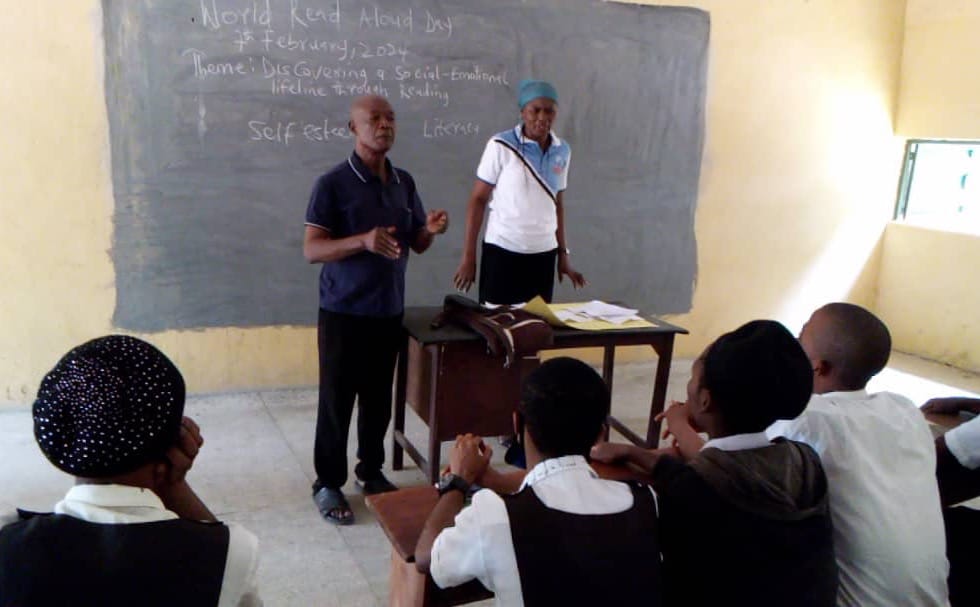
The project started with the partners spending time in Kangundo and Matungulu with the people who use eCHIS every day. During this immersion they spoke with 30 people, including CHAs, promoters, county health officials and facility staff, through interviews, group discussions and by shadowing their work.
Then a group of CHAs became “AI champions.” They tested early versions, reacted to real messages and said plainly what did not work. Their feedback shaped the tool: WhatsApp instead of an app, one account for all their units, and trends framed as shared problems to solve together rather than as judgments of individual promoters. Their questions about what the AI would and would not do also went into training materials for other CHAs in the county.
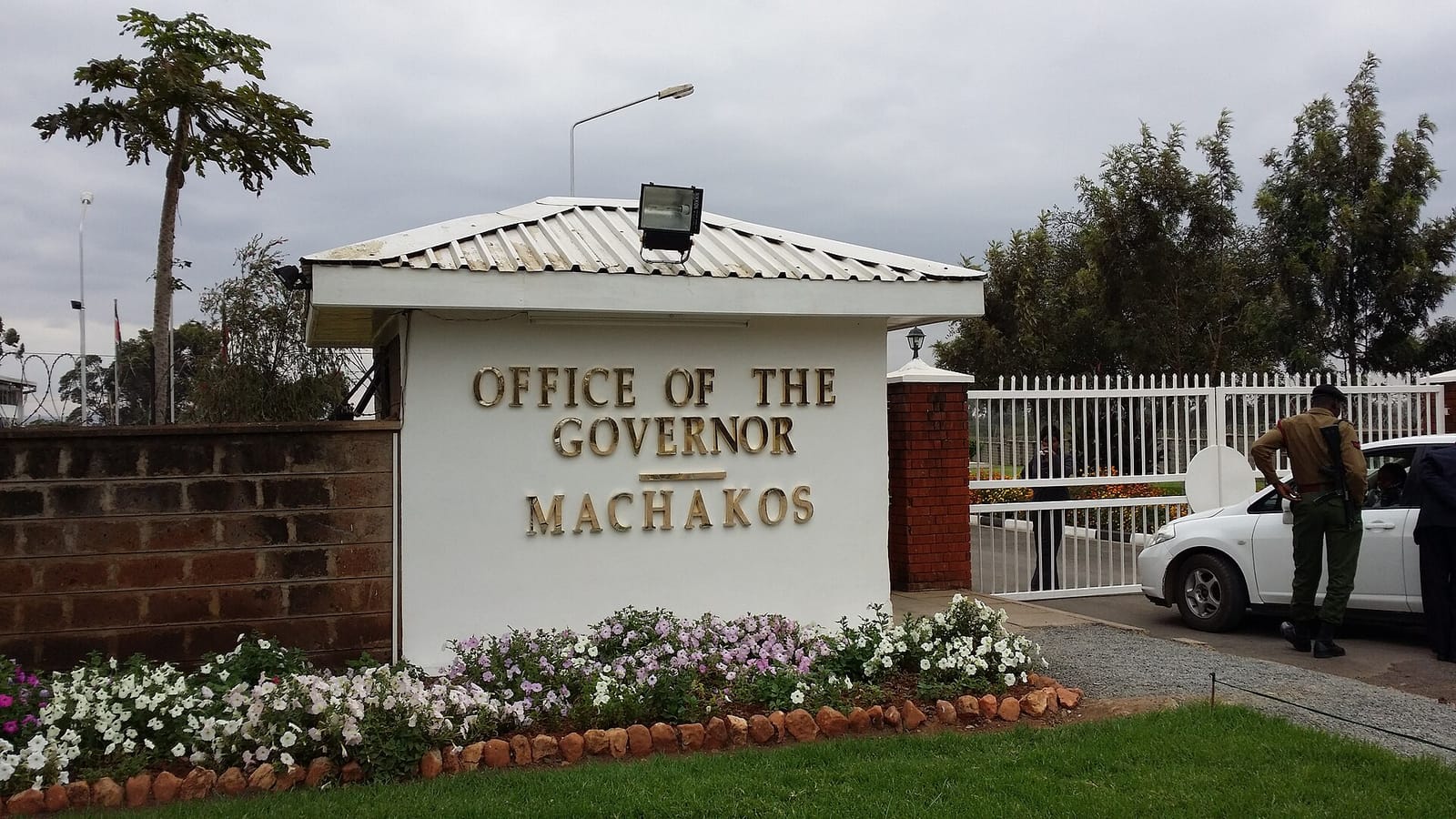
The Machakos County Government took part from the start. Its Director of Public Health, Anne Wanyaga, said in Amref’s account of the immersion what she wants from eCHIS as a whole (her words were not about the assistant): “We are committed to seeing eCHIS become an end-to-end referral system that truly connects our communities with quality care”.
Dalberg says the next step is to expand county by county, to test it in rural and urban areas, with weak connections and with device limits. County health teams and the Ministry’s eCHIS custodians would lead the onboarding, so that ownership stays inside the health system. No dates have been published.
Dalberg Data Insights and Dalberg Design, again with Gates Foundation funding, also worked on a similar assistant for supervisors in Zanzibar, which we covered in our story on D-tree’s Swahili chatbot.
Why it matters
Nate Miller’s global mapping of 38 AI tools for community health workers, reported by ICTworks in February 2026, found that only about a third show signs of growing beyond a pilot. Kenya’s assistant sits on top of eCHIS, which the government already runs, and county teams are meant to lead each step of its expansion. If an independent check backs up what supervisors told Dalberg, Machakos could show how records that health workers collect every day can come back to them as guidance.
FAQs (5)
What is the CHA AI Assistant in Kenya?
It is an AI assistant on WhatsApp for Community Health Assistants, who supervise Community Health Promoters in Kenya. It reads data from the national eCHIS platform and sends back performance insights, flagged data gaps and monthly health trends, and it answers questions in plain language.
Where is it being used?
It was piloted in 2025 in Machakos County, after design work in the Kangundo and Matungulu sub-counties. A county-by-county expansion is planned, but no dates have been published.
Who built it?
Kenya's Ministry of Health, Amref Health Africa, Dalberg Data Insights and Dalberg Design built it together with CHAs, with Gates Foundation funding and the Machakos County Government as a partner.
Does it diagnose patients?
According to the developers' case study, no. It uses aggregated data, follows national protocols and never attempts patient diagnosis. Amref's own page describes it as supporting clinical and managerial decisions; we could not find an explanation for the difference.
Does it work?
Early results are positive but self-reported. Dalberg says 87% of CHAs saved at least 30 minutes on meeting preparation and 91% saw promoters take action on their feedback. It has not published sample sizes, and there is no independent evaluation or health outcome data.
Sources (5)
ICTworks, "What Are Generative AI Solutions for Community Health Workers?", 2026-02-12
Fact-checked against sources on November 26, 2026. Spot an error? Tell us.
This story supports