Problem
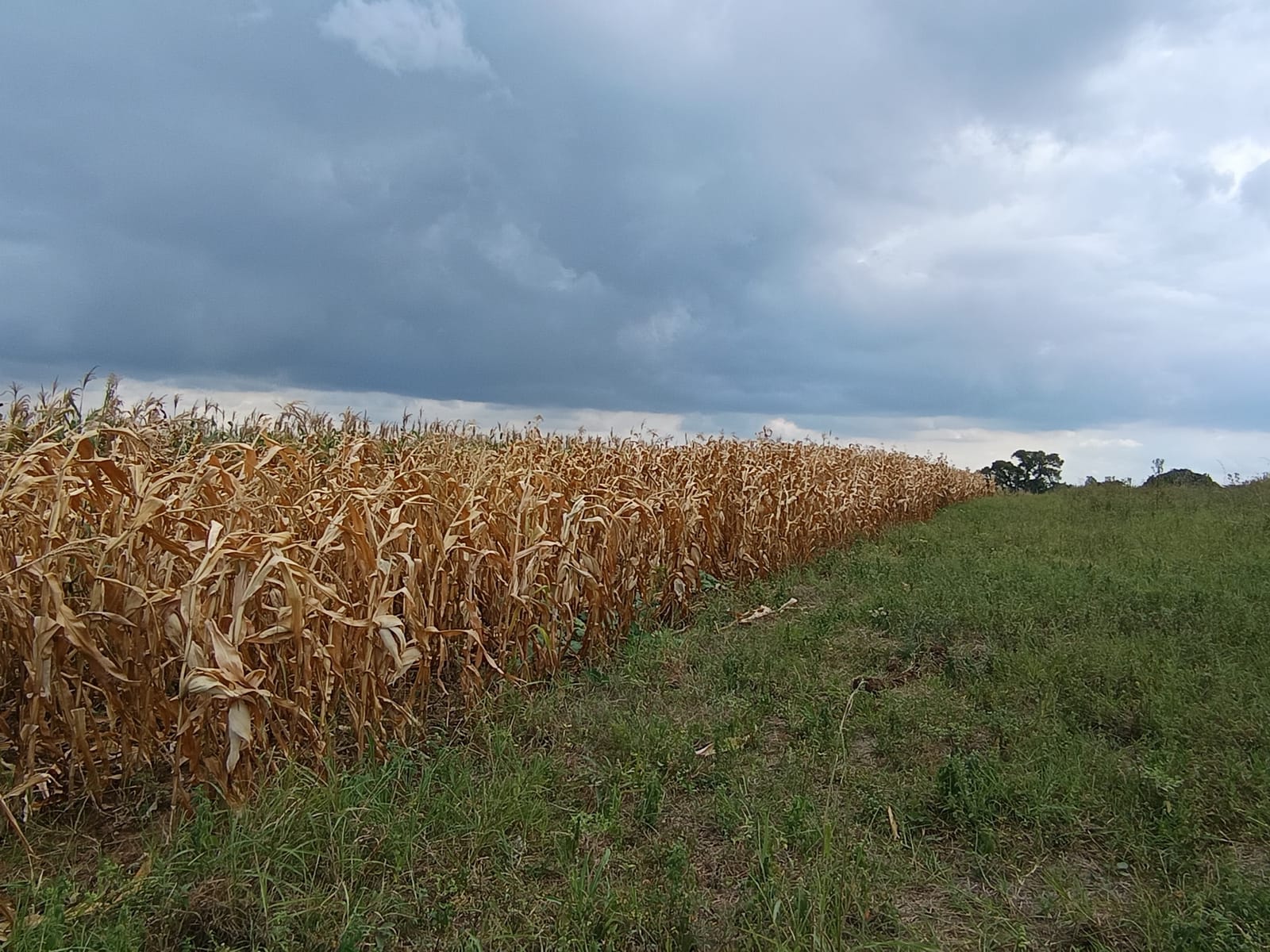
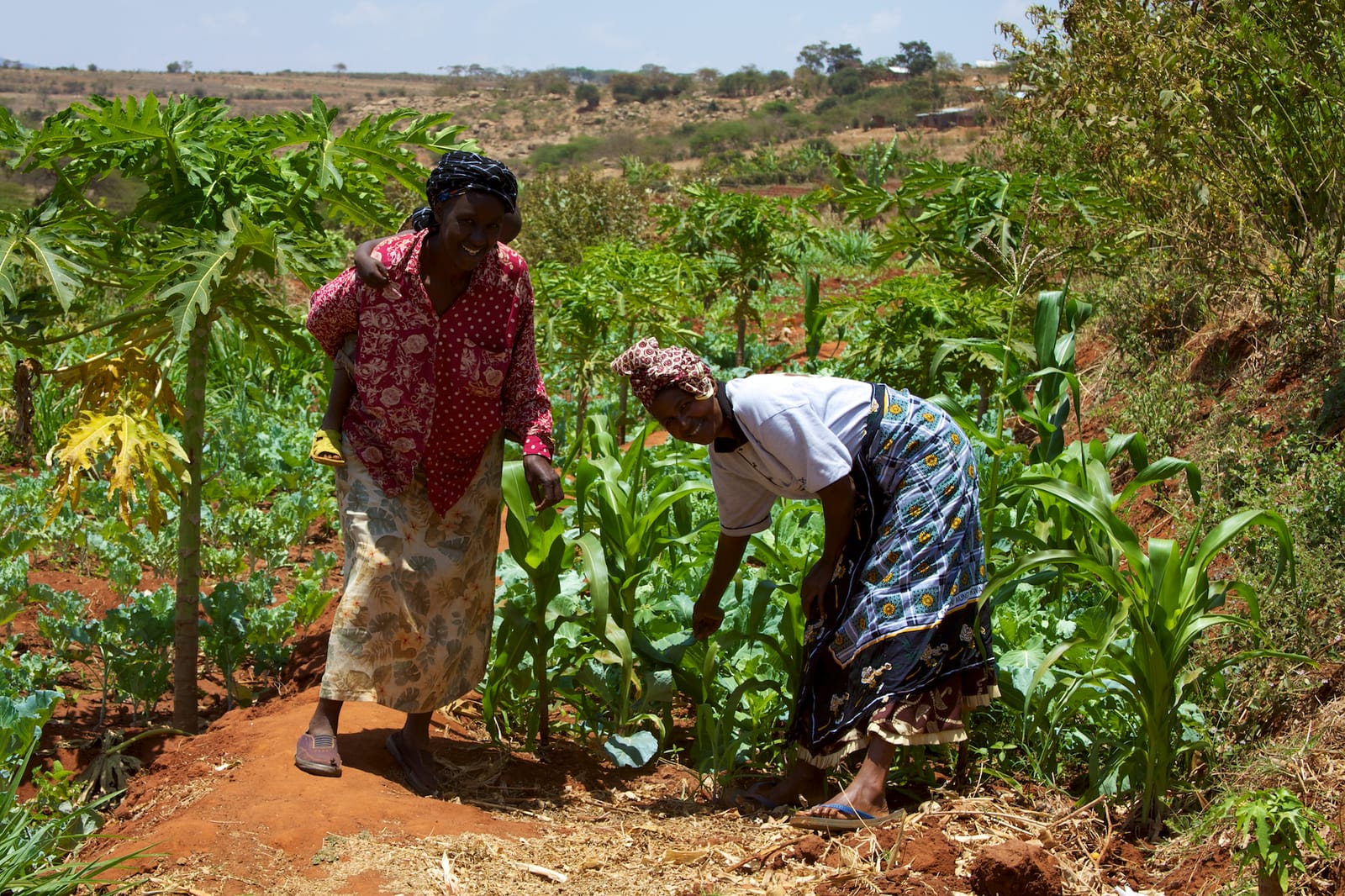
A Kenyan farmer with yellowing maize or a cow that will not eat is meant to call an extension officer, a government adviser who visits farms and shares better practices. There are not enough of them. Kenya’s agriculture extension manual counts about one officer for every 1,380 farmers, against a national target of one per 600 and the one per 400 recommended by the UN’s Food and Agriculture Organization. In some areas, a Digital Green baseline survey found one officer serving about 6,000 farmers.
“Many extension officers are retiring at 60, and they are not being replaced at the same rate,” Kista Ogot, a Digital Green field coordinator in Kenya, told the Daily Nation in September 2026.
India has more than 400,000 extension agents, but that still means about one for every 650 farmers.
Digital Green has worked on this gap since 2008. From 2010 it made short videos of farmers teaching other farmers, and it went on to work with the agriculture ministries of India, Ethiopia and Kenya.
AI solution
Digital Green dates FarmerChat’s launch to October 2022, in India, Kenya and Ethiopia. A farmer types a question, says it out loud or sends a photo of a sick plant, and gets advice matched to their location, crops and weather.
Before it answers, the AI looks things up in a library that people have checked: transcripts of Digital Green’s farmer videos, notes from farmer call centers, crop factsheets and research from the Kenya Agricultural and Livestock Research Organization (KALRO). Then it writes an answer from those documents. India’s Ministry of Agriculture validates the documents, and the system blocks advice about banned pesticides.
In the first pilot, which ran on OpenAI’s GPT-4 model, Digital Green gave the chatbot to extension agents rather than straight to farmers. Co-founder and CEO rikin gandhi said this “enables another stage of human review.” By January 2024, more than 4,500 extension agents in Kenya and India were using it. Raju Kumar, an extension worker with the Bihar Rural Livelihoods Promotion Society in India, said in early 2024 that it was “helping me provide real-time solutions to support more farmers’ concerns in a single day than I could before”.
Kenyan farmers got their own Android app around November 2024. It has no subscription fee and adds photo diagnosis, a three-day weather forecast and a crop calendar. When it suggests a pesticide, it names the active ingredient instead of a brand, so the farmer can ask for it at a local agrovet shop. “Artificial Intelligence is not here to take the jobs of extension officers. It is here to complement them,” Ogot said.
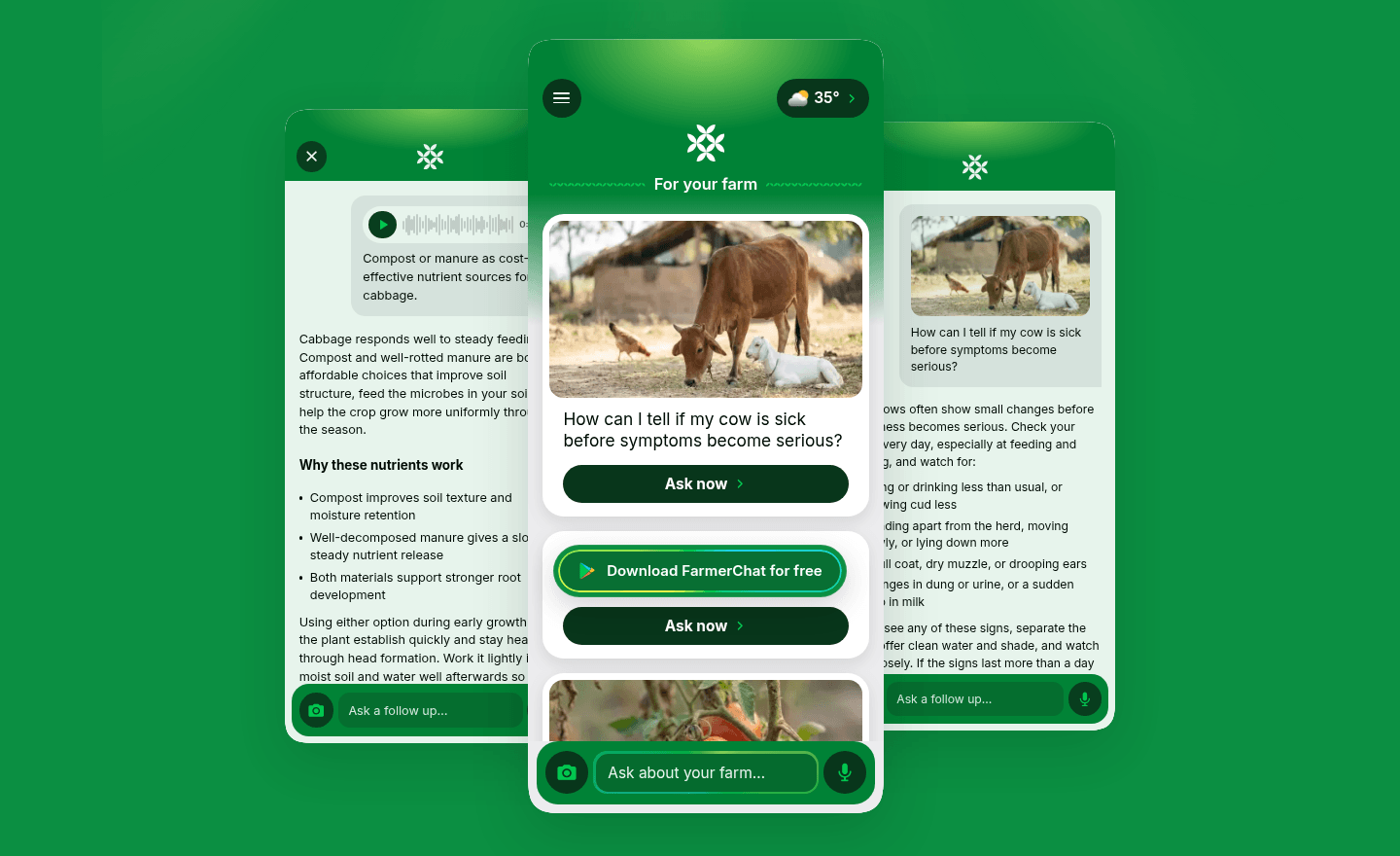
The language picture is less clear. Digital Green says FarmerChat works in more than ten languages across six countries. In Kenya, the app gives advice in English for now, and a simplified Swahili version is in development. A paper by funders of similar farm-advice tools lists what is still hard: slow voice replies, too little data for many local languages, and the constant work of keeping the document library current.
Digital Green has published an open dataset of 1.4 million farmer questions and answers, plus open speech recognition tests for languages with little data.
Impact
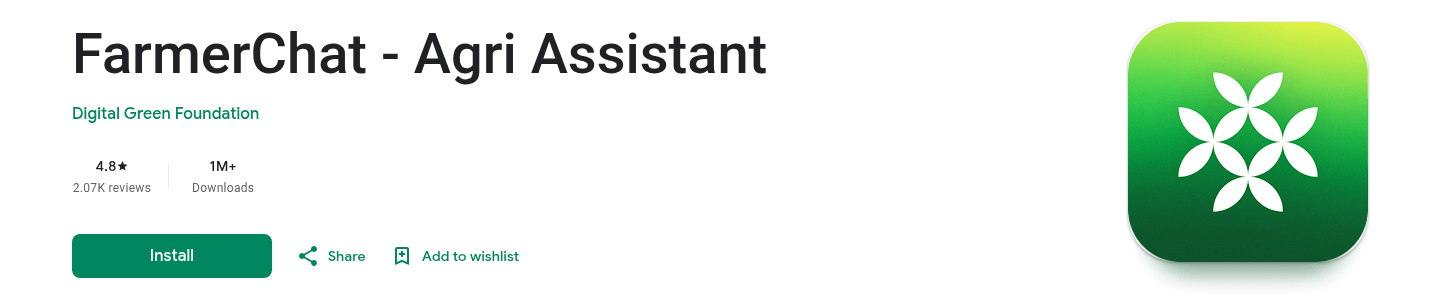
FarmerChat is deployed at scale, but most of its numbers are its own. In June 2026 the nonprofit said the app had reached more than 1.6 million farmers and given more than 8 million answers in India, Kenya, Ethiopia, Nigeria, Brazil and Zimbabwe. It does not say whether “reached” means downloads, sign-ups or regular users. On 8 November 2026, Google’s own counter on the store page showed more than 1 million Android downloads and a 4.8-star rating from about 2,070 reviews.
The best outside evidence so far is a phone survey by 60 Decibels, an impact research firm that Digital Green paid to do it. In July and August 2025 it interviewed 450 randomly chosen Kenyan users. Seven in ten said they had applied the app’s advice in the previous 30 days. Two in three had taken a specific action, and 80% of those followed FarmerChat’s advice fully or partly, which the researchers checked against the answers the app had given. And 96% said their way of farming had improved.
These answers are farmers’ own reports, and the survey did not measure harvests. It also shows who the app reaches: only 28% of the users surveyed were women, and 51% had university-level education, so the report says it is not yet reaching the farmers with the lowest literacy. The women who did use it rated it more highly than the men. About one in ten users had problems, such as technical glitches, photos the app failed to recognize or unclear answers. On Google Play in September 2026, Digital Green told one user that detailed crop photos “often won’t get a useful answer” and suggested typing the problem instead.
Researchers from the International Food Policy Research Institute, the University of Chicago and the University of Bordeaux have registered a randomized trial in 600 villages in Nakuru County, Kenya. Some villages get FarmerChat and others do not, so the team can compare farming practices, yields and income over two seasons. The trial runs until 31 March 2027, and there are no results yet.
People
Rikin Gandhi co-founded Digital Green and leads it as CEO. Vineet Singh, its chief technology officer at the time, spoke about FarmerChat at the India AI Impact Summit in February 2026. In Kenya, Ogot and other field staff work with research partners such as KALRO. The GitLab Foundation gave $350,000 in 2023 to grow the Kenya rollout.
Aster Alemu, a farmer in Hadiya, Ethiopia, is quoted on Digital Green’s site: “I became so happy after I listened to the details of my challenge through voice. It didn’t take money. It took the right information at the right time.”. A 29-year-old Kenyan man told the survey: “Farmer.Chat is cheaper and more accessible than going to an extension officer.”.
Why it matters
Farm advice depends on people, and there are too few advisers for the farmers who need them. FarmerChat is a large test of whether AI can stretch that human network, built with government advisers and drawing on checked documents. The Nakuru trial should show whether it changes harvests and income, and the survey already shows the next task: reaching women and farmers with less schooling.
What we could not confirm (7)
- How Digital Green counts the 1.6 million farmers “reached” (downloads, registrations or regular users), and how many people use FarmerChat each month in each country.
- Which languages the live app supports in each country. The GitLab Foundation reported six languages at the end of 2023, Digital Green said more than ten in June 2026, and partner content in March 2026 said more than 15 languages and dialects. In Kenya, the app was in English in September 2026, with simplified Swahili in development.
- Whether FarmerChat raises yields or income. The 60 Decibels survey measured farmers’ own reports, not harvests; it covered registered Kenyan users who answered the phone (a 19% response rate). The randomized trial ends in March 2027.
- How Digital Green calculated its claim that the cost of getting one farmer to adopt a new practice fell from $35 with traditional extension to under $1. An earlier OpenAI case study gave an estimate of $0.35.
- Who funds FarmerChat today beyond the GitLab Foundation’s 2023 grant for Kenya, and who funds the randomized trial.
- How often the app’s answers are wrong, and how errors are caught now that farmers use it directly rather than through an adviser.
- We could not interview a farmer or an extension agent who uses FarmerChat; the quotes come from published sources.
FAQs (5)
What is FarmerChat?
A free AI assistant from the nonprofit Digital Green that answers farmers' questions about crops, livestock and weather by text, voice or photo. It draws its answers from a library of checked farming documents.
Where is FarmerChat available?
Digital Green says it works in India, Kenya, Ethiopia, Nigeria, Brazil and Zimbabwe. The Android app is on Google Play, where it showed more than 1 million downloads in November 2026.
Does FarmerChat replace government farm advisers?
No. It was first given to extension agents to help them answer more farmers, and Digital Green's Kenya staff describe it as a complement to extension officers, not a replacement.
Is there evidence that FarmerChat works?
A 2025 survey of 450 Kenyan users, run by 60 Decibels and paid for by Digital Green, found that 70% had applied its advice in the last 30 days. These answers are self-reported. A randomized trial in 600 villages in Nakuru County will report on yields and income after March 2027.
Can other developers use FarmerChat's data?
Yes. Digital Green has published an open dataset of 1.4 million farmer questions and answers and open speech recognition tests for languages with little data.
Sources (10)
Digital Green, About page and timeline, June 2026
Digital Green, FarmerChat product page, accessed 2026-11-08
Google Play, "FarmerChat - Agri Assistant" listing, accessed 2026-11-08
OpenAI, customer story "Digital Green", 2024
arXiv 2601.11537, "Technical learnings from the AIEP Initiative", 2025
Fact-checked against sources on November 8, 2026. Spot an error? Tell us.
This story supports