Problem
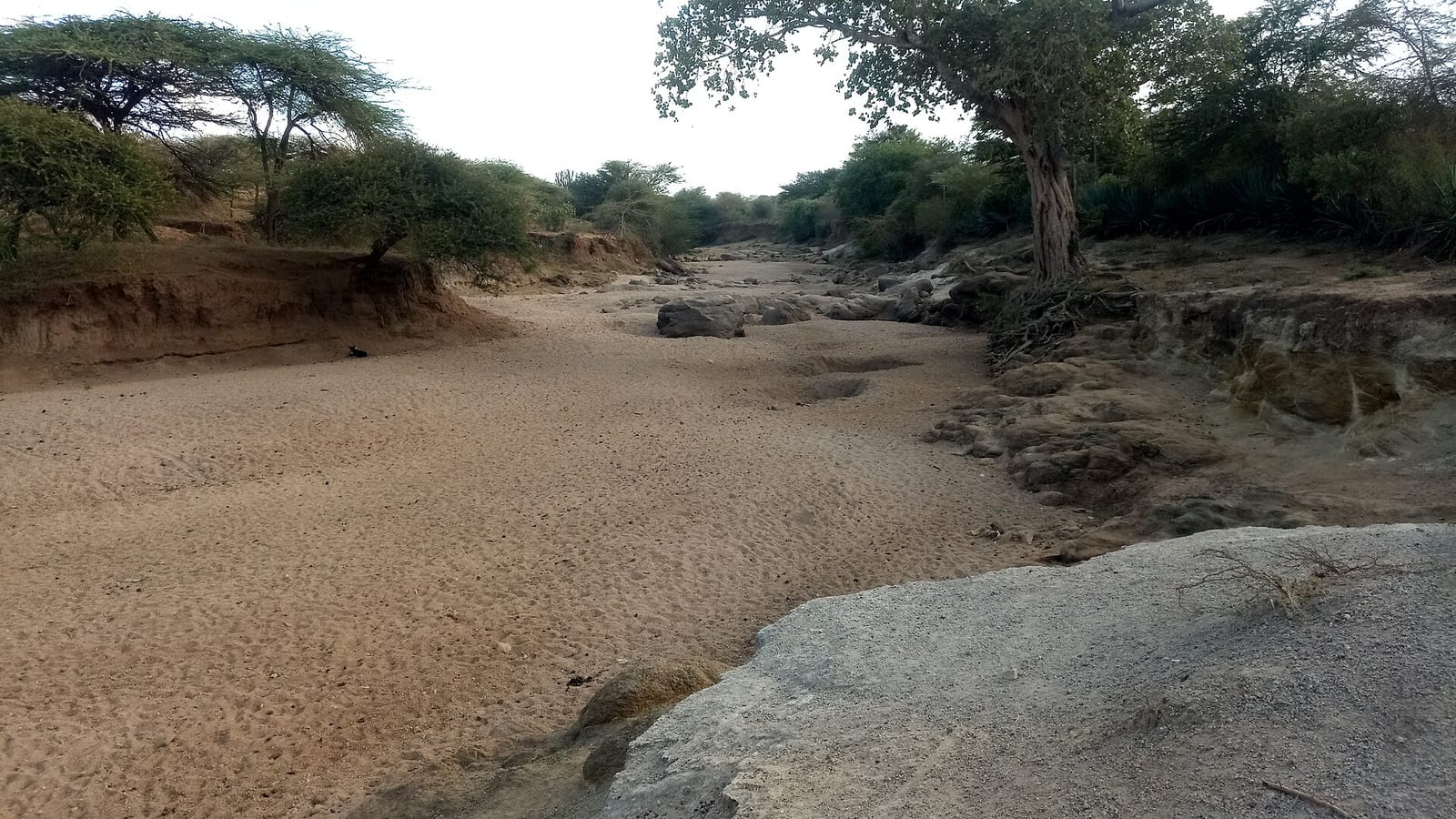
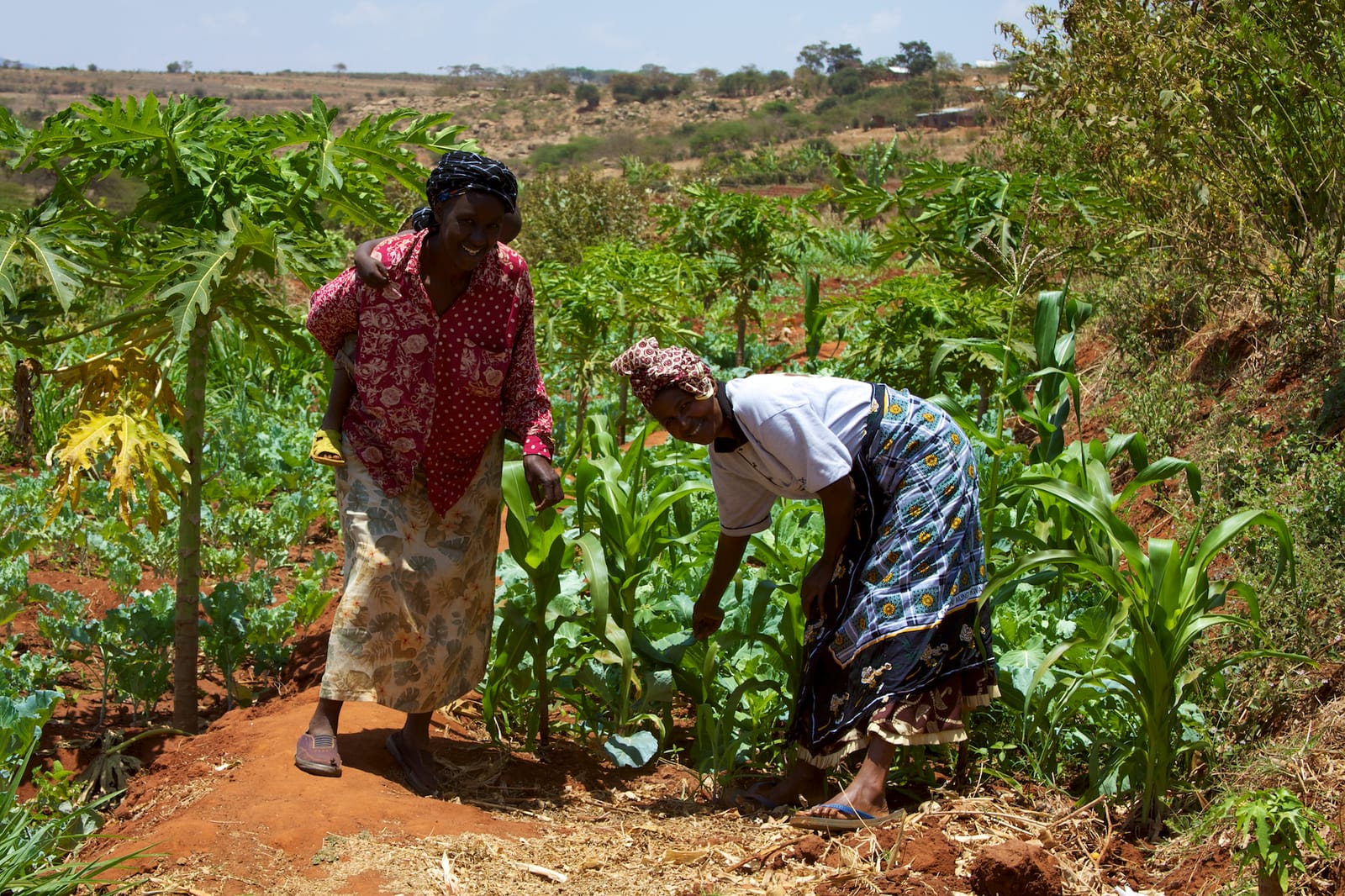
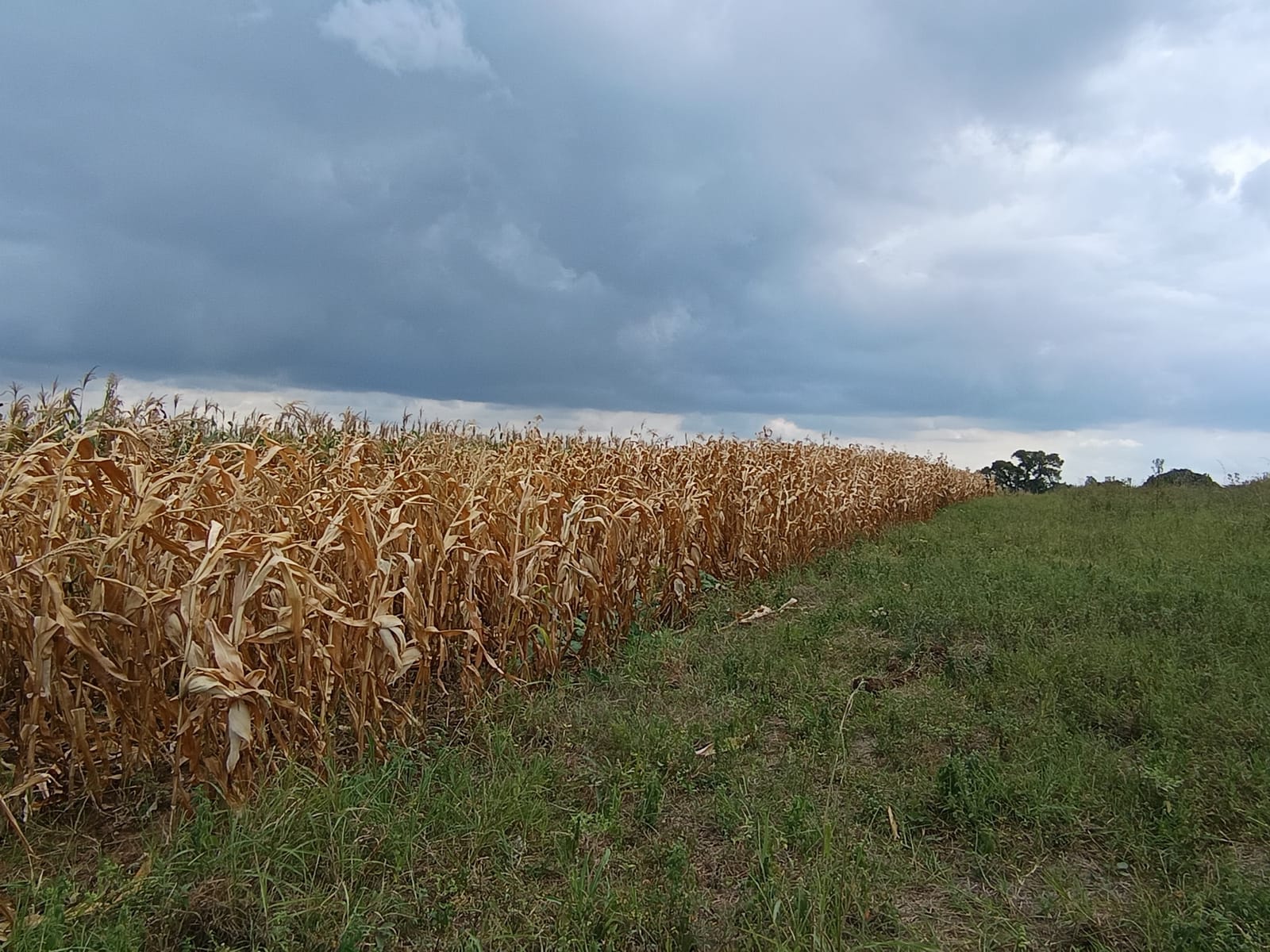
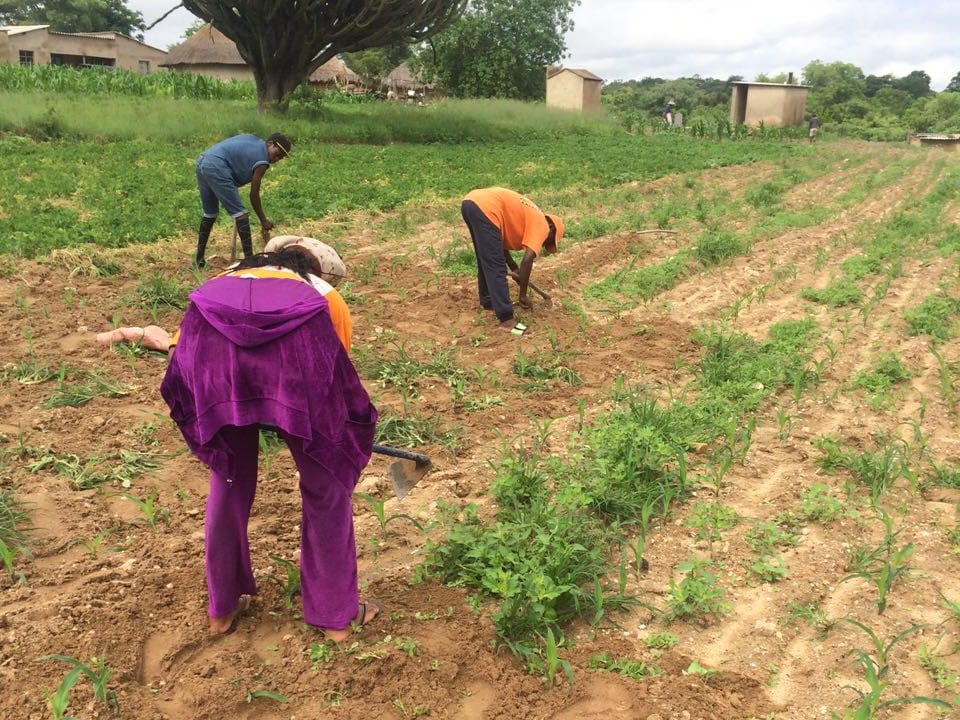
Frank Makeba grew up in a farming community in Zvimba, Zimbabwe. In the story his company tells about its start, he watched his family and neighbors put months of work into their fields, then lose it when the rains failed or disease struck. Often, there was no one they could ask for help.
Millions of Zimbabweans live with the same risk. About 70% of people depend on farming for their income, and agriculture makes up 11 to 14% of the economy, according to estimates from the UN’s Food and Agriculture Organization cited by GreenPath Africa, a news site.
The Herald, a national daily, reported that farm information is mostly available only in English. Leonard Muyambo, who leads the partner company Paltech Africa, put it this way: the new system “allows farmers to converse with AI using their own language, especially the elderly in rural areas who usually struggle with language barriers”.
Farmers who are offline are left out too, so advice that needs an internet connection does not reach everyone.
AI solution
Makeba and a university team began collecting African farm data in 2022, according to the company. Hurudza AI launched in 2024. The company lists its address at Chinhoyi University of Technology, and The Herald describes the team as former students from local universities.
Farmers can reach it in three ways: an Android app, a WhatsApp chatbot that the company describes as a round-the-clock multilingual agronomist, and a contact center.
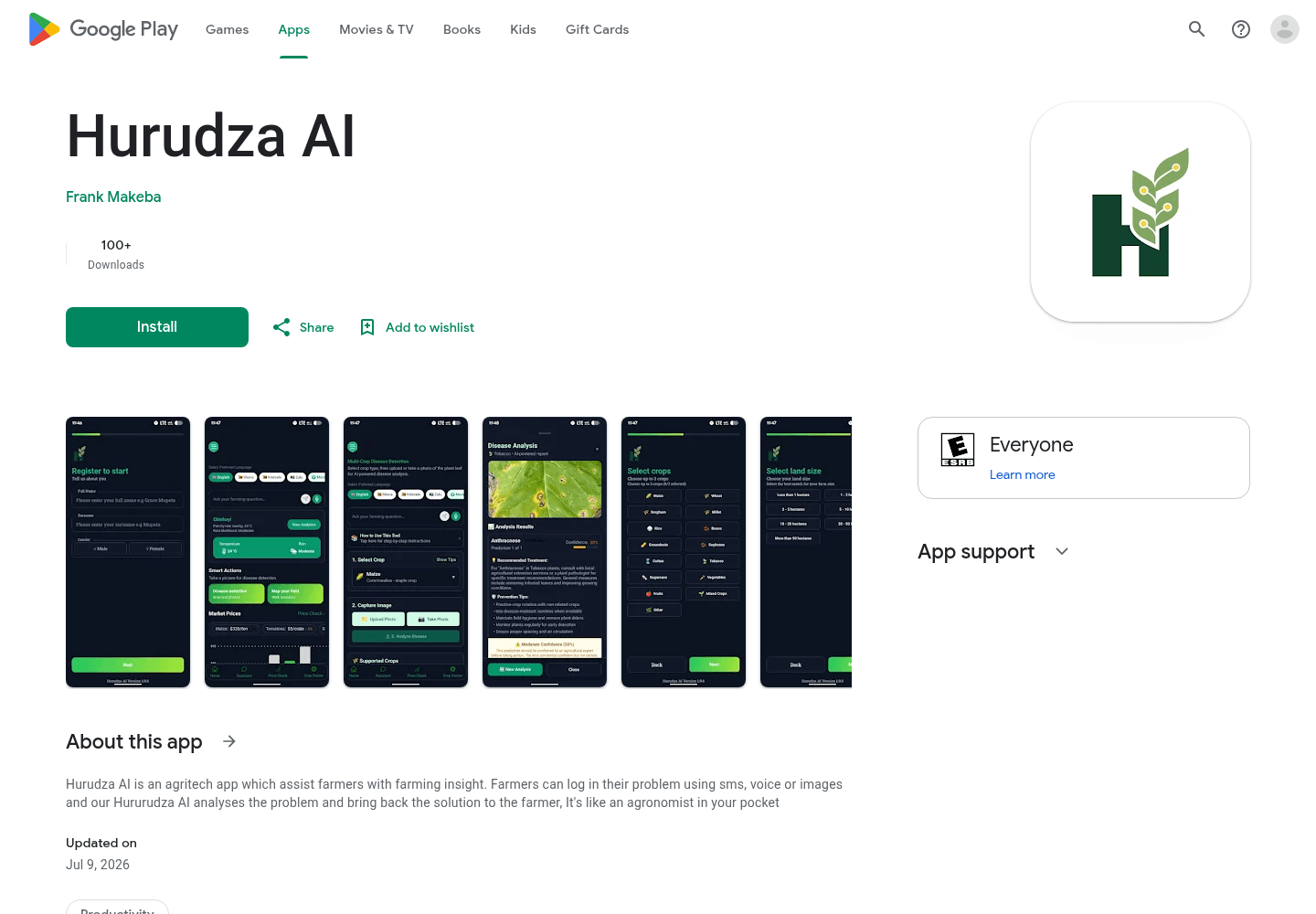
The app’s Google Play page says farmers can describe a problem by text message, by voice or with a photo, and get advice back. Its screenshots show a menu to choose English, Shona, Ndebele or Zulu, with more options behind a “More” button, and a question box with a microphone. A farmer can photograph a sick leaf for a disease check. In the sample result, the app gives its best guess, says it is only 50% confident, and tells the farmer to confirm with an agricultural expert before acting. Other screens show the local weather, crop prices and a tool to map a field by walking around its edge.
Behind the screens, the company says it combines crop models built with TensorFlow, a common AI toolkit, with images from Europe’s Sentinel-2 satellites, weather data and field sensors. In its entry for the ITU’s 2026 AI for Good report, the team describes language models adapted for Shona, a voice option for people who do not read easily, and feedback from farmers to improve the advice. The entry lists English, Shona, Ndebele, Swahili, French and Portuguese among the languages, and says the system is built to work offline and on slow connections.
The newest part of the project is a physical one. On 18 March 2026, in Harare, Hurudza AI and Paltech Africa announced the Farmers’ Bench, a hybrid physical and digital hub that runs on solar power. Paltech supplies the hardware and edge computing, meaning the AI runs on the device itself instead of a distant data center, so it can work with limited or no internet. Paltech also chooses the sites and maintains the units. Hurudza AI provides the AI and its farming knowledge, with advice on weather, soil health, prices and production.
Impact
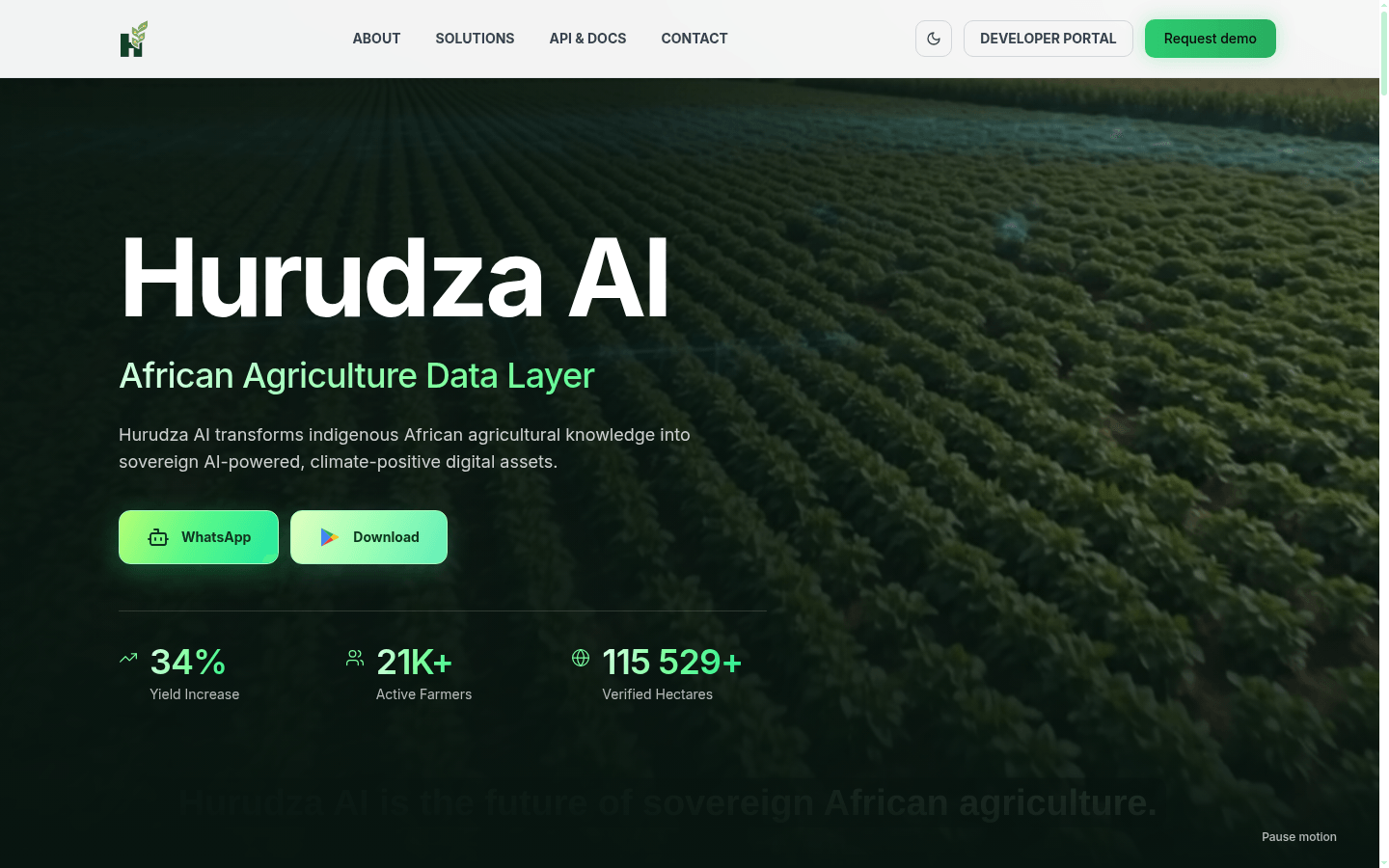
Hurudza AI is still a pilot, and the evidence is early. On its website, the company says it has more than 21,000 active farmers, a 34% increase in yields and over 115,529 verified hectares. It also says its app has more than 12,400 downloads and a rating of 4.8. None of these figures comes with a date, a method or a study.
Other sources give a smaller picture. The team’s own entry in the ITU report calls the project a pilot and gives no user numbers (Source: ITU, AI for Good Innovate for Impact Interim Report 2026). When we checked on 7 November 2026, the Google Play listing showed “100+” downloads, Google’s label for 100 to 499 installs, and no star rating. Some farmers may use WhatsApp or the contact center instead of the app, so the store count is not the full picture. Still, it is far below the 12,400 the company claims.
The app’s latest update, from 9 July 2026, lists better voice support and improved crop and disease advice.
The Farmers’ Bench is at the pilot stage, and the partners say they plan to expand it across Zimbabwe’s provinces. They have not said where the first units stand or how many there are, and the better harvests they hope for are an aim, not a measured result.
People
Frank Makeba is Hurudza AI’s co-founder and chief executive, and the developer named on its app. He wants to build with partners. “AI solutions should not be built in silos, especially in Africa if we want to get our market share,” he told The Herald.
His partner, Leonard Muyambo, founded Paltech Africa, a Zimbabwean company that puts solar-powered AI hardware in shared public spaces. Its earlier Pal Smart Bench was one of the winners of a 2022 innovation drive run by the Postal and Telecommunications Regulatory Authority of Zimbabwe (POTRAZ), the country’s telecoms regulator. The ITU entry names POTRAZ and Chinhoyi University of Technology as Hurudza AI’s partners.
We could not find the names of the rest of the team. The tools are built for farmers, including the older rural farmers whom English-only information leaves behind.
Why it matters
Farm advice that comes only in English, or only online, misses many of the people who grow Zimbabwe’s food. A small Zimbabwean team is building advice in local languages, with a voice option and hardware that can work without a connection. Whether it helps farmers grow more is still unproven, and the Farmers’ Bench pilot is the place to find out.
What we could not confirm (8)
- How many farmers use Hurudza AI today. The company’s figures (21,000+ active farmers, 34% higher yields, 115,529+ hectares, 12,400+ downloads, 4.8 rating) are undated and self-reported, with no method. Google Play showed 100+ downloads and no rating on 7 November 2026; we did not check the iPhone app.
- Any independent evaluation of the advice or of yield changes.
- Which languages the live app, WhatsApp bot and contact center actually handle. The app shows English, Shona, Ndebele and Zulu buttons; the ITU entry lists more; we did not test them.
- Where Farmers’ Bench units are installed, how many there are, and any pilot results.
- How well the app’s offline mode works in practice.
- What the “trusted and backed by” logos on the company site (ZimTrade, Chinhoyi University of Technology, POTRAZ, Eight2Five) mean in practice, and whether Hurudza AI has funding or awards of its own.
- One Herald paragraph says Hurudza AI handles the hardware, sites and maintenance; the other reports, and the same article elsewhere, say Paltech Africa does. We followed the majority.
- We found no farmer who uses the service and could be named.
FAQs (5)
What is Hurudza AI?
A Zimbabwean startup, based at Chinhoyi University of Technology, that gives farmers AI crop advice through an Android app, a WhatsApp chatbot and a contact center, designed for local languages such as Shona.
What is the Farmers' Bench?
A solar-powered public hub built by Paltech Africa that runs Hurudza AI's farming assistant on the device itself, so farmers can get advice on weather, soil, prices and production with little or no internet. It was announced in March 2026 and is at the pilot stage.
Does Hurudza AI work in Shona?
The app offers English, Shona, Ndebele and Zulu, and the team's ITU entry says its language models are adapted for Shona. How well each language works in daily use has not been independently tested.
How many farmers use it?
The company says more than 21,000, but gives no date or method. Its Google Play listing showed 100+ downloads in November 2026. No independent count exists.
Is it free?
The Android app is free to download. The company also sells business tools, and we could not confirm what farmers pay, if anything, for other services.
Sources (8)
Hurudza AI, official website, accessed 2026-11-07
Google Play, "Hurudza AI" app listing, accessed 2026-11-07
ITU, AI for Good Innovate for Impact Interim Report 2026, use case "African Localised Agricultural Data layer for Low-Resource Environments" (Hurudza AI), pp. 37–42
The Herald, "Innovators launch multilingual AI tool to support farmers", 2026
Developing Telecoms, "AI-powered solution launched to support Zimbabwean farmers", 2026-03-23
TechAfrica News, "Zimbabwe Set for Agri-Tech Boost with New AI-Powered Farmers' Bench", 2026-03-20
The Herald, "Mutare innovator launches Africa's first AI smart bench", 2025
Fact-checked against sources on November 7, 2026. Spot an error? Tell us.
This story supports