Problem
In 2025, funding cuts ended Emiliana Mbelenga’s work as a nutrition consultant in Nairobi. She turned to Iyashi Wellness Centre, the organization her website says she founded in 2017, and put child sexual abuse at the center of its work.
In Kenya, as in many places, abused children often tell no one. Mbelenga, a clinical psychologist, names the barriers as silence and stigma, fear of what happens after speaking up, and no way to stay anonymous. Services exist, but they are fragmented and rarely feel youth-friendly.
Kenya’s national Violence Against Children Survey, carried out in 2019 and published in 2020, found that nearly one in six young women had experienced sexual violence as children, and a smaller share of young men had too. Because so many children never tell anyone, the real number is likely higher.
Kenya already has a national child helpline, 116, run by Childline Kenya for the government. It is free, anonymous and open 24 hours. RISE is meant to sit in front of it, as an easier first step for children who are not ready to call anyone.
AI solution
Project RISE has four parts: lessons for children on body autonomy, body safety and consent, using short animated videos and images pitched to different ages; a hub that helps parents and caregivers have difficult conversations at home; an AI chat assistant for confidential first support; and “safe circles,” offline peer support groups run by trained teachers and community health promoters.
The chat assistant is the AI part. A large language model is software that has learned from huge amounts of text how to read messages and write replies. According to the team’s entry in the 2026 AI for Good report of the International Telecommunication Union (ITU), a UN agency, RISE uses one called Claude, accessed through Amazon Bedrock, and adapts it with trauma-informed guidance and local Kenyan content. (For transparency: Claude is made by Anthropic.)
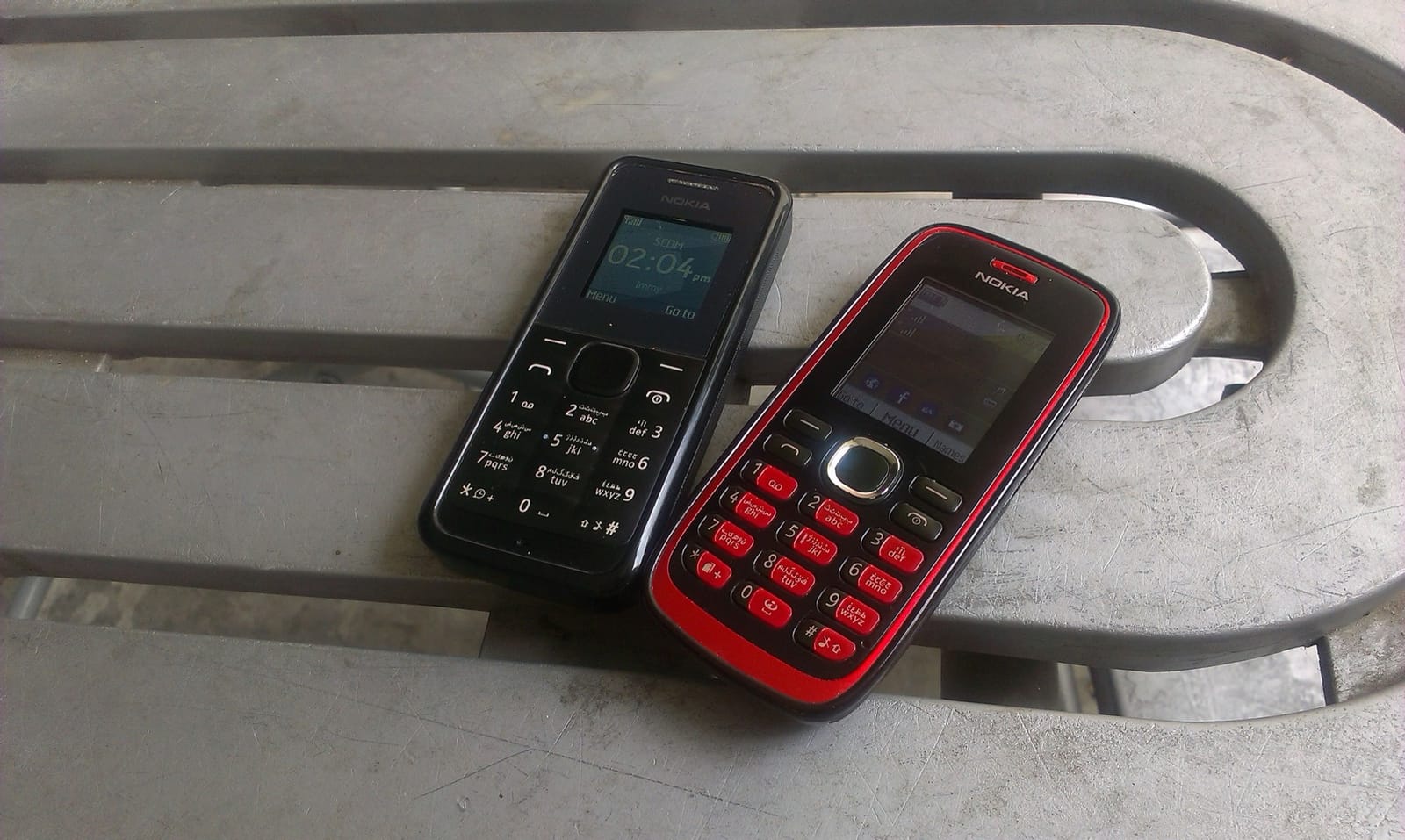
The team says the assistant is designed to write the way Nairobi’s young people do, in English, Swahili and Sheng, the city’s youth slang, often mixed in one message. It adjusts its language to the user’s age, and the team plans to reach children on the web, on WhatsApp and, for basic phones, through Unstructured Supplementary Service Data menus, the short text menus people open by dialing a code.
What happens when a child says something serious matters most. According to the team’s ITU entry, the system is meant to watch for high-risk signals, such as words about abuse, force or suicide. When one appears, the AI is designed to stop replying and alert an on-call Iyashi clinician, who takes over through a case dashboard. This handover has not yet been tested or evaluated in public.
“This dual approach ensures that technology provides the access, while human networks provide the healing.”Emiliana Mbelenga, conference abstract, Population Medicine, 2026
Impact
There are no results yet. No user numbers, pilot data, evaluation or safety testing of the AI’s risk detection have been published.
What exists is a plan. The team’s ITU entry describes an upcoming proof-of-concept pilot in 3 to 5 schools and 3 to 5 community-based organizations in Nairobi County. Mbelenga’s conference abstract, published in September 2026, calls the pilot current and says it targets 12,000 children and adolescents in Nairobi. The two accounts do not match. The ITU entry lists the Ministries of Education and Health, Nairobi City County and the Directorate of Children Services among the partners, but none of them has announced the pilot, and we could not confirm that it has started.
The design has won recognition. Project RISE took first place at the Global Development Network’s Future Solutions Pitch Challenge 2025 in Clermont-Ferrand, France. In February 2026 it was one of 30 finalists, from more than 800 applications in over 50 countries, in the AI by HER Global Impact Challenge at India’s AI Impact Summit. Mbelenga is also a fellow of the Childhood and AI Lab.
Because the users are children, the safeguards matter as much as the design, and the team has not yet answered the key safeguarding questions in public. We list them at the end of this story.
People
Emiliana Mbelenga is the founder and CEO of Iyashi Wellness Centre. She is a clinical psychologist and public health nutritionist who says she has 18 years of experience in health programs for vulnerable groups across Africa. She leads a small team with Charles Mwangi, monitoring and evaluation lead, and Edward Miyogo, grant management and finance lead.
The project also depends on people the AI cannot replace: the teachers and community health promoters who would run the safe circles, and the clinicians who would answer when the AI steps aside. Iyashi’s newsletter says AI in general should be “a bridge, not a replacement, for human connection.”
Why it matters
As AI chat tools reach more young people, a key test is what they do when a child shares something painful. Project RISE is built to hand that moment to a human. If the pilot shows the handover works safely, other child-facing AI projects could learn from it.
What we could not confirm (4)
- Whether the pilot has started, where, and with how many children.
- Who the on-call clinicians are, how many there are, and who covers nights.
- How a case reaches Childline 116, children’s officers or the police.
- Whether the pilot has ethics approval, and how data is stored and consented to, including a planned silent panic feature that the team says would capture a child’s location.
FAQs (4)
What is Project RISE?
A child sexual abuse prevention and support program from Iyashi Wellness Centre in Nairobi, Kenya. It combines lessons for children, a hub for parents, teacher-led support circles and an AI chat assistant.
Does the AI counsel children on its own?
Not according to its design. The team says it gives first support and is built to stop and hand the conversation to a human clinician when a child shares something serious. This has not yet been tested in public.
Is it available now?
Not publicly. As of October 2026 it is preparing for a first pilot in Nairobi schools and community groups, and no results have been published.
Where can a child in Kenya get help today?
Kenya's national child helpline, 116, run by Childline Kenya, is free, open 24 hours and anonymous.
Sources (11)
Iyashi Wellness Centre, Our Programmes (accessed October 25 and 27, 2026)
Iyashi Wellness Centre, About Us (accessed October 25, 2026)
The Iyashi Pulse, July 2026 newsletter
Childhood and AI Lab, Meet the Fellows
Childline Kenya, the National Child Helpline 116
Fact-checked against sources on October 27, 2026. Spot an error? Tell us.
This story supports