Problem
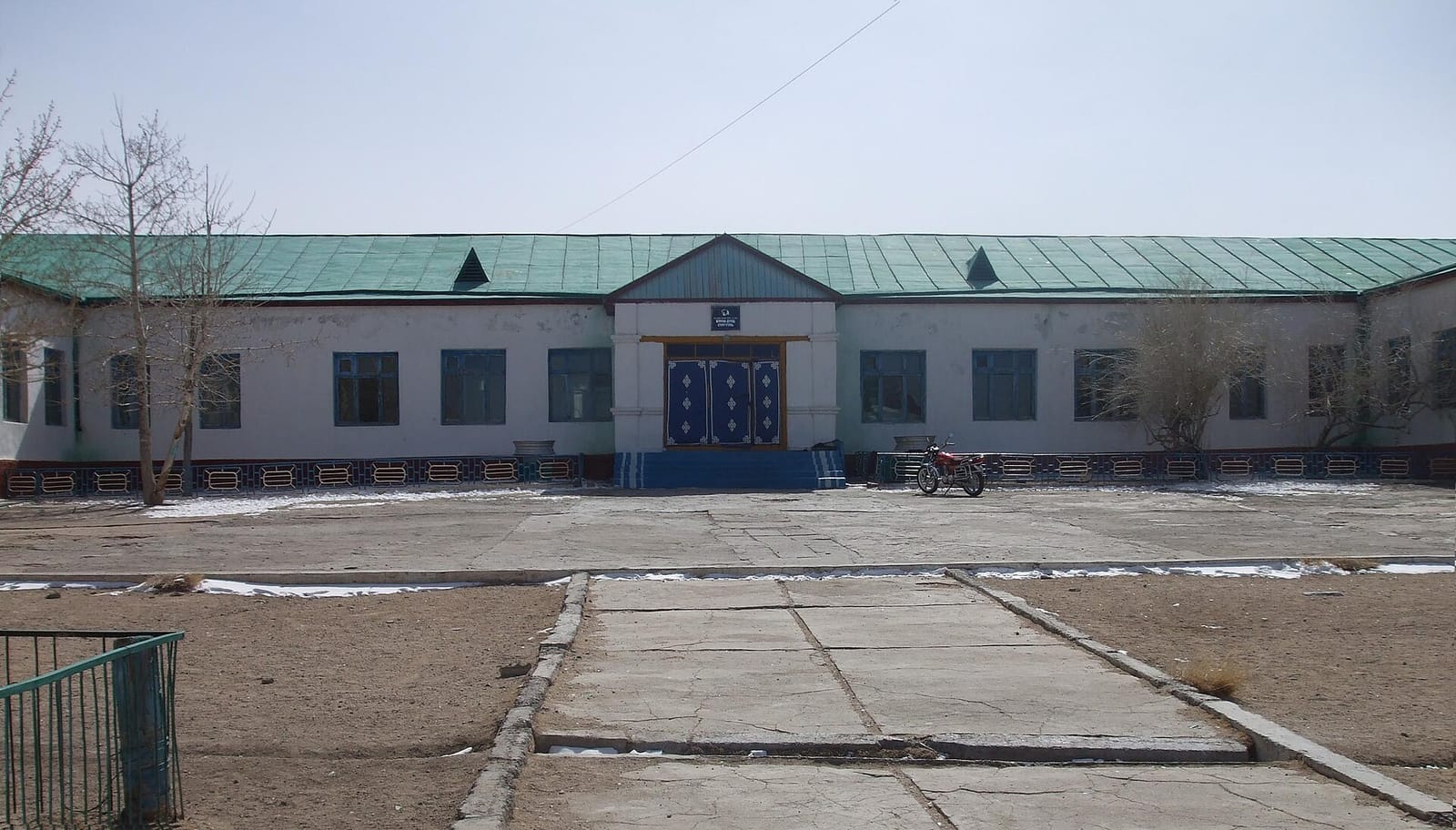
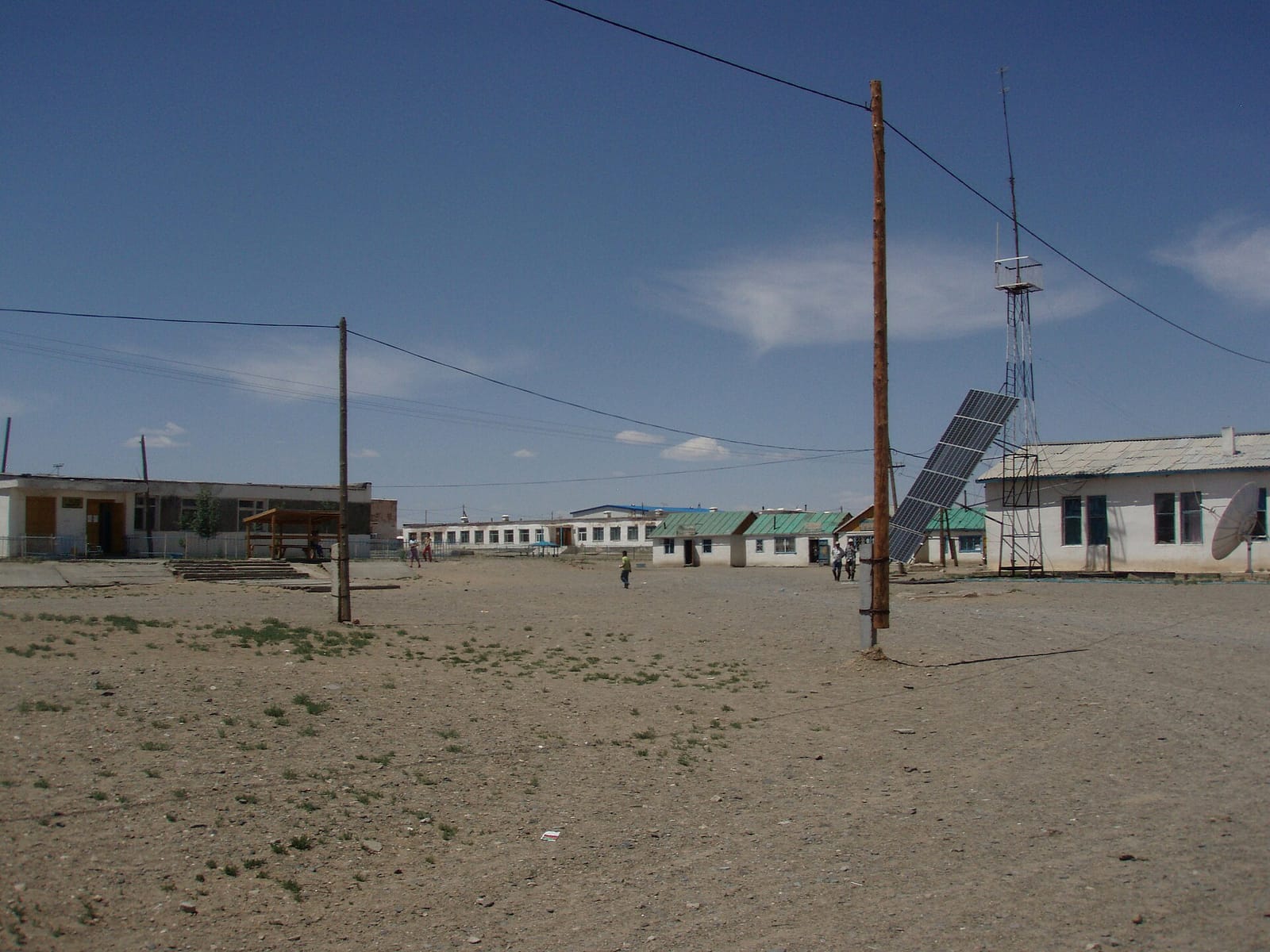
On February 28, 2026, a three-month course opened for Mongolian school teachers who wanted to learn about artificial intelligence. The applications had come from all 21 of the country’s provinces, from 330 soums (the small rural districts that make up each province) and from the districts of the capital. In all, 3,998 teachers applied.
The course belongs to a five-year plan that runs from 2025 to 2030. Its goal is to give teachers in general education schools across the country the knowledge and practical skills to bring AI into teaching and learning.
The organizers frame it as a question of fairness. “The Government of Mongolia is implementing policies to ensure that every child has equal access to quality education and opportunities to develop essential skills,” said L. Enkh-Amgalan, the Minister of Education, in June 2026.
The idea is to reach students through the people already in front of them. One trained teacher can pass skills on to many classes, and the campaign also wants AI to take some of the load off teachers’ busy days.
AI solution
The campaign is a training program for teachers. It builds no app or device of its own.
The 2026 course covered the basics of how AI works and how to use AI tools in school. Teachers practiced using them to plan lessons, prepare content and assessments, cut down on routine work and find ways to help students who are falling behind. The course also covered responsible and ethical use. The releases do not say which AI tools the teachers learned.
Golomt Bank added sessions on financial literacy. At the end, teachers presented projects that use AI, which they had built during the course, and the best were recognized. The releases do not describe any of the projects.
The training is delivered online, according to a search summary of an opinion piece on the World Economic Forum’s website; we could not open the page itself.
AI Academy Asia leads the campaign. The 2026 round ran under the “AI Skills Coalition” of the ITU, the UN agency for digital technology.
The campaign’s own target is 2,500 trained AI educators by 2030, or about 500 a year.
Impact
Both of Golomt Bank’s releases, from March and June 2026, give the same count of 3,998 applications. The later numbers do not line up. The March release says 500 teachers were selected. The June release says 796 were selected, “exceeding the initial target of 500.” In that same June release, both the founder of AI Academy Asia and the minister say 500 teachers were trained. No source we found explains the gap between 796 and 500, or says how many teachers finished the course.
The total is unclear too. An opinion piece on the World Economic Forum site in October 2026, and an article on e27, an Asian tech news site, in August 2026, put the number of trained teachers at 1,000 after two rounds. We could read both only in search summaries. None of the sources we read states the size of the 2025 group, though the World Economic Forum summary, which describes the 2026 group as doubling the total, implies about 500. In 2025, Golomt Bank also supported “AI for Women 100x100,” a part of the campaign for 100 female teachers and 100 female students.
Reach to students is a projection, and the projections vary. The March release aimed for more than 10,000 students in rural and local communities in 2026. In June, the founder said graduates are expected to teach more than 20,000 students each year. The e27 summary says 50,000, and the World Economic Forum piece projects 100,000 students a year by 2029.
From September 2026, graduates were due to start teaching AI-related subjects in secondary schools in cities and the countryside. By early November 2026 we had found no report on how those classes are going.
All the first-hand information comes from Golomt Bank, the sponsor. The Mongolian news site ikon.mn ran the same release, marked as advertising. We found no independent evaluation.
People
Bolor-Erdene Battsengel founded AI Academy Asia. “Through this partnership, the program successfully trained 500 AI educators in 2026,” the founder said in June. “These educators are expected to teach foundational AI concepts and promote responsible and ethical AI use to more than 20,000 students each year.”
Minister Enkh-Amgalan spoke in support, saying the program had “equipped 500 participating teachers with essential skills in the effective use of artificial intelligence, lesson planning, workload optimization, and strategies for addressing student learning gaps”. The releases do not say whether the Ministry of Education has a formal role in running the campaign.
Golomt Bank, led by CEO A. Odonbaatar, describes the program as part of its social development work and says it fits closely with the bank’s own AI strategy. It has not said how much it contributed.
The largest group is the teachers themselves: nearly 4,000 applicants from towns and rural districts across the country, and the hundreds who took the course. None of them has yet been quoted in public about what they learned or how their students respond.
Why it matters
Mongolia’s approach to AI in schools starts with the teachers already in its classrooms, in the capital and in rural districts, and the response to the 2026 call shows that thousands of them want the training. This school year will show whether it turns into regular lessons for students. AI for Kind will look for the first reports from those classrooms.
What we could not confirm (8)
- Any information from outside the sponsor. All first-hand figures and quotes come from Golomt Bank’s own releases (one republished as paid content). We found no independent report or evaluation.
- How many teachers completed the 2026 course. Golomt’s releases say 500 and then 796 were selected, and 500 were trained.
- How many teachers were trained in 2025, and whether the total after two rounds is 1,000, as the World Economic Forum and e27 pieces say. We could not open either page and saw only search summaries.
- What happened in classrooms after September 2026: how many graduates teach AI, how many students they reach, and with what results.
- Which AI tools teachers learned to use, and what the teachers’ final projects were.
- The Ministry of Education’s formal role. The minister speaks in support, but the sources do not say the ministry runs or funds the campaign.
- Whether the course is free for teachers in every case, and how AI Academy Asia is organized and funded. Its website (ai-academy.asia) lists Golomt Bank among its partners but has no page on the National AI Campaign that we could find.
- How many of the trained teachers work in rural schools.
FAQs (5)
What is Mongolia's National AI Campaign?
A five-year program (2025 to 2030) led by AI Academy Asia that trains teachers in Mongolia's general education schools to use AI and teach its basics. Its target is 2,500 trained teachers, about 500 a year.
How many teachers have been trained?
Golomt Bank, the 2026 sponsor, says 3,998 teachers applied in 2026, 796 were selected and 500 were trained. Other articles say 1,000 in total after two rounds. None of these figures has been independently checked.
Who pays for it?
Golomt Bank, a Mongolian commercial bank, sponsored the 2026 round, under the ITU's AI Skills Coalition. The amount has not been made public.
Are students already learning AI from these teachers?
Graduates were due to begin teaching AI-related subjects in secondary schools in September 2026. As of early November 2026, no results from those classes had been published.
Does the program build its own AI tool?
No. It teaches teachers to use existing AI tools for lessons, planning and assessment, and to use AI responsibly.
Sources (6)
Golomt Bank, Golomt Bank Supports National Campaign to Train 500 AI Educators, about June 2026
Golomt Bank, release on the launch of the 2026 phase of the National AI Campaign, about March 2026
ikon.mn, Mongolian-language version of the Golomt release, marked as advertising, 2026-06-02
AI Academy Asia, official website (home and About pages), accessed 2026-11-05
Fact-checked against sources on November 5, 2026. Spot an error? Tell us.
This story supports