Problem
A mother in Manipur, in northeast India, used to brace herself before taking her son out. People “stare and point because he sounds different,” she said in a 2025 ThePrint article, so the family would leave quickly.
Her son cannot speak in words. The project’s partners name causes such as autism, cerebral palsy, and mutism linked to hearing impairment. Many use hums, sighs and vowel sounds every day in place of words.
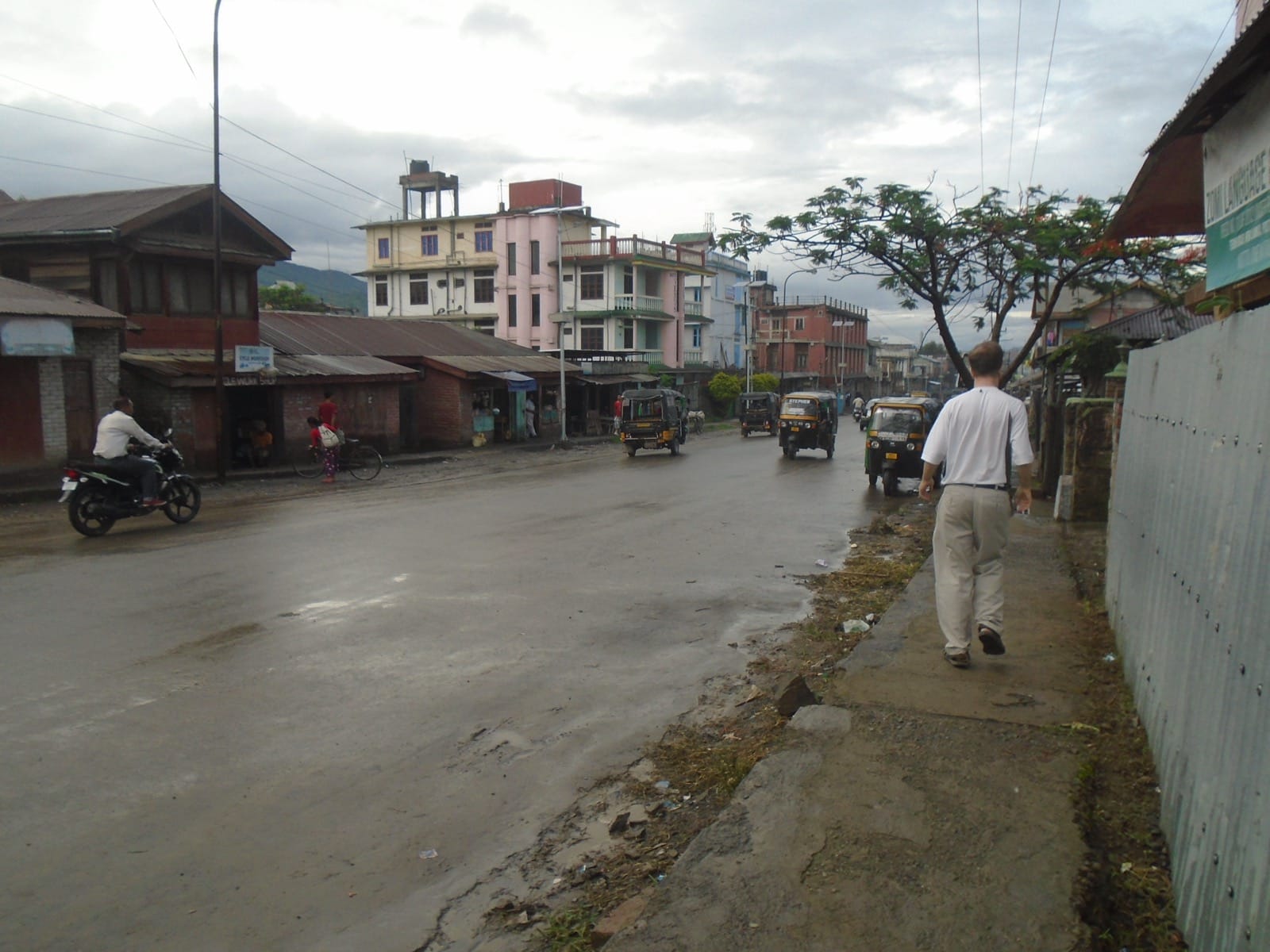
In Lamka, the town where this story takes place, help was scarce. When Pauzagin Tonsing’s son was born in 2005 with a visual disability, Lamka had no special schools, no speech therapists and no support for parents of children with disabilities, Outlook India reported. Tonsing, who later founded a nonprofit there, told ThePrint that “the biggest challenge is diagnosis and acceptance by parents because of so much stigma around them”.
Apps that speak for a child already exist, but the developers of this one say existing tools “fail to capture individuality or cultural nuance”.
AI solution
My First Voice starts with the sounds a child already makes. Working with the family, the team records the child’s hums, grunts, sighs and fragmented vowels; the developers say samples as short as 30 seconds are enough. Parents and siblings record speech samples too.
The software then does a kind of voice cloning: it learns the sound of a voice from recordings and can say any sentence in it. “We treat these not as noise, but as a voice print,” says John V. Paite of Monks India, who led the project. The family recordings add the local accent. “A child growing up in Mizoram should sound Mizo, and the same goes for Manipur or anywhere else,” he told the northeast Indian news site EastMojo in May 2026. The result is a voice that “sits somewhere in between” the child and the family.
Monks says it used free, open-source voice software (Coqui TTS and RVC 2) to learn each child’s sound patterns, and the commercial voice service ElevenLabs to model the accent. The partners say the team cut the time needed to make a personal voice from three days to under five minutes.
On a phone or tablet, the child taps a preset phrase, chooses an icon or types, and the app speaks in their voice. Families can record key phrases into “voice libraries” that play with a single tap. Outlook India reported that the app comes with common everyday phrases, simple navigation and language settings for Manipur’s languages.
Paite is open about the limits. “It is not a clinical tool,” he says. “There is a baseline level of cognitive and motor ability needed, and we are very transparent about that because many nonverbal children are still beyond that threshold.” Minority languages are another hurdle: he says the best language data available for them is still “at a very rudimentary stage”.
Impact
This is a pilot. According to Monks and CCI, 10 children at CCI have used My First Voice. Every figure we found, including in news coverage, comes from the two partners.
ThePrint reported two moments from the pilot: a mother heard her son say “I love you too,” and a father heard his daughter recite poems she had written over “five silent years”. Outlook India described a boy who burst into tears the first time he heard himself speak. The mother from the opening told the magazine: “People stared. Now that he can speak for himself, even with a device, everything feels different”.
All of this comes from families and the partners; nobody has measured it. Monks also says the project is “endorsed by speech therapists,” but it does not name any, and we found no independent evaluation.
In 2025 it was the only project from India at ACT x CANNES, a showcase at the Cannes Lions creativity festival, and EastMojo reported that it won a People’s Voice Award, chosen by public vote, at the 2026 Webby Awards.
It has not yet reached families outside the pilot. The Monks case study says the app “scales across India,” but in May 2026 Paite said he had “not even looked into the distribution channels yet” and that there were no formal partnerships. Interest is growing, though. “More parents are reaching out than I expected,” he said.
People
The idea began at home. Paite, who is Mizo and works as Chief Creative Officer (Creative Tech and Innovation) at Monks India, has two autistic grand-nephews. After a talk with a colleague whose niece was autistic and nonverbal, the team first thought of a voice bank of donated voices, then dropped the idea. “It could give a child words, but not their identity or personality. It would never truly be their voice,” he told EastMojo. His niece, her husband and the grand-nephews became the very first test case.
Monks India belongs to Monks, a commercial agency owned by S4 Capital, and the project also showcases its work. Paite credits the community: the children of CCI and their staff “trusted us and came on board during the pilot phase”.
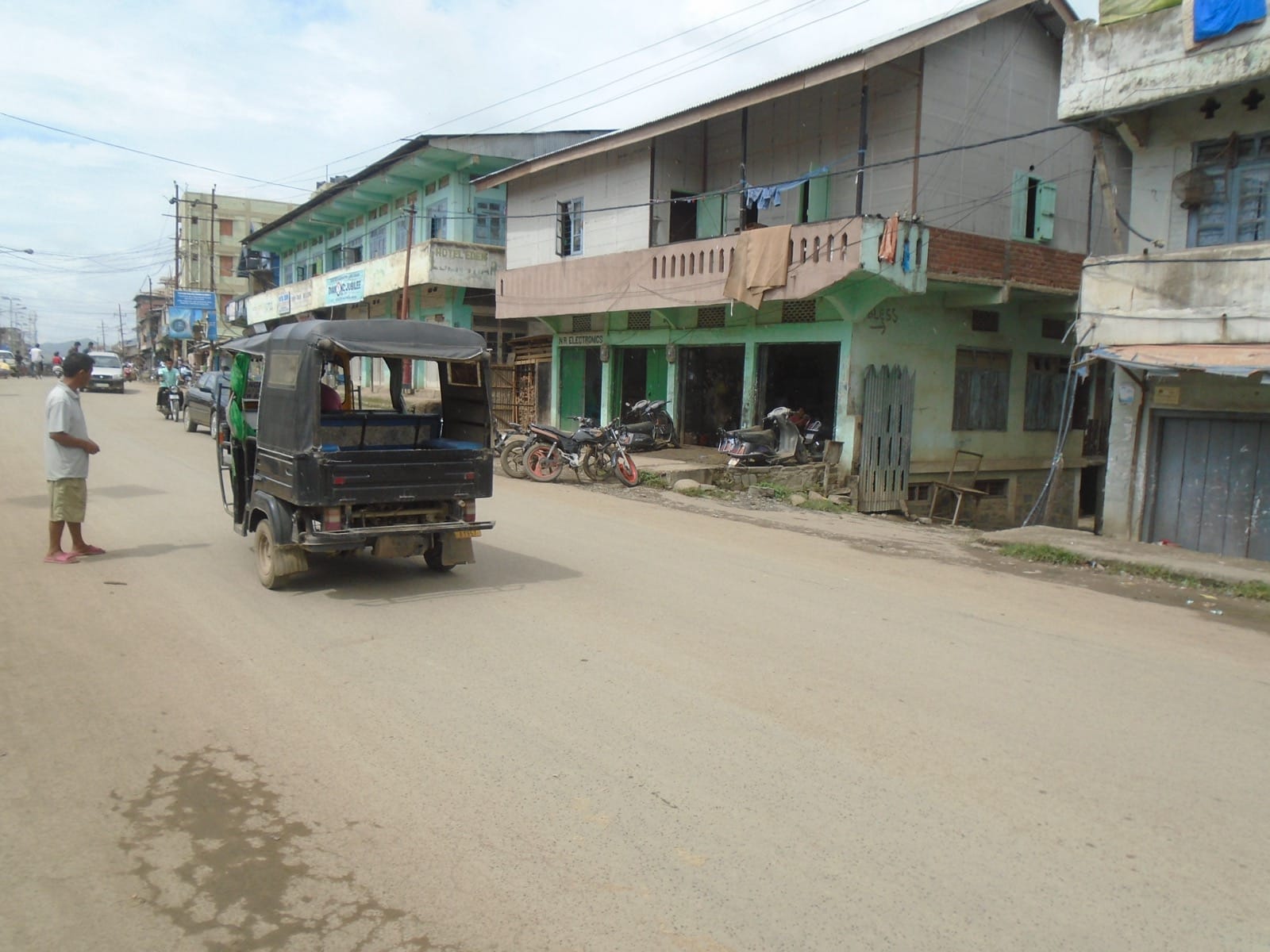
CCI grew out of a father’s search for help. Tonsing started it with other parents (in 2007, according to Outlook India; a CCI annual report gives 2002). It now runs a day school called The Malsawm Initiative, early intervention units, home-based care, and livelihood and rehabilitation services. Tonsing has served on the Manipur State Advisory Board on Disability.
The nonprofit works in a town that, Outlook India notes, has been affected by the conflict in Manipur since 2023. “It was never about just saying words. It was about belonging,” Tonsing said of the app.
Why it matters
AI voice cloning is usually in the news for fakes. In Lamka, a team used the same kind of tool, on an ordinary phone or tablet, to give children a voice that sounds like their own family. The evidence is still early and comes from the builders, and for now it works best for children who can tap, choose or type. The next test is whether it reaches families beyond the pilot, and at what cost.
What we could not confirm (8)
- Any result beyond the partners’ own accounts. The figure of 10 children and the family stories all come from Monks India and CCI. We found no independent evaluation and no named speech therapist, although Monks says speech therapists endorse the project.
- How the children’s and families’ voice recordings are stored and protected, and how consent was given. Neither partner has said so in public.
- Whether the app will be free, and when or how families outside the pilot can get it. In May 2026 the project lead said he hoped it would be free but had not yet planned distribution.
- How many children use it today, and which conditions the 10 pilot children have.
- Who funded the project.
- When CCI was founded: Outlook India says 2007; a CCI annual report seen only in search results says 2002.
- Details of the 2026 Webby award, which we could not check independently.
- An official website for the project or for CCI. We found neither.
FAQs (5)
What is My First Voice?
An app that builds a personal speaking voice for a nonverbal child from the child's own sounds and recordings of family members, so it carries the family's accent. Monks India built it with the Centre for Community Initiative in Churachandpur, Manipur.
How does My First Voice work?
A family records the child's hums and vowels and some family speech. Voice software learns from both and makes a new voice in a few minutes. The child taps phrases, picks icons or types, and the app speaks in that voice.
Who can use it?
For now, it works best for children who can choose an icon, tap a phrase or type. The project lead says many nonverbal children cannot yet do this, and that it is not a clinical tool.
Can families download it?
Not yet. As of May 2026 it was a pilot with 10 children at CCI, with no public app, price or distribution plan.
Is there evidence it works?
Only early, partner-reported stories from families in the pilot. There is no independent study yet.
Sources (5)
Monks, "My First Voice" case study (undated, checked 2026-11-02)
Kimi Colney, "How a Mizo-led AI app is helping nonverbal children," EastMojo, 2026-05-11
IT Brief India, "AI project empowers non-verbal children with unique voices," 2025-04-10
Fact-checked against sources on November 8, 2026. Spot an error? Tell us.
This story supports