Problem
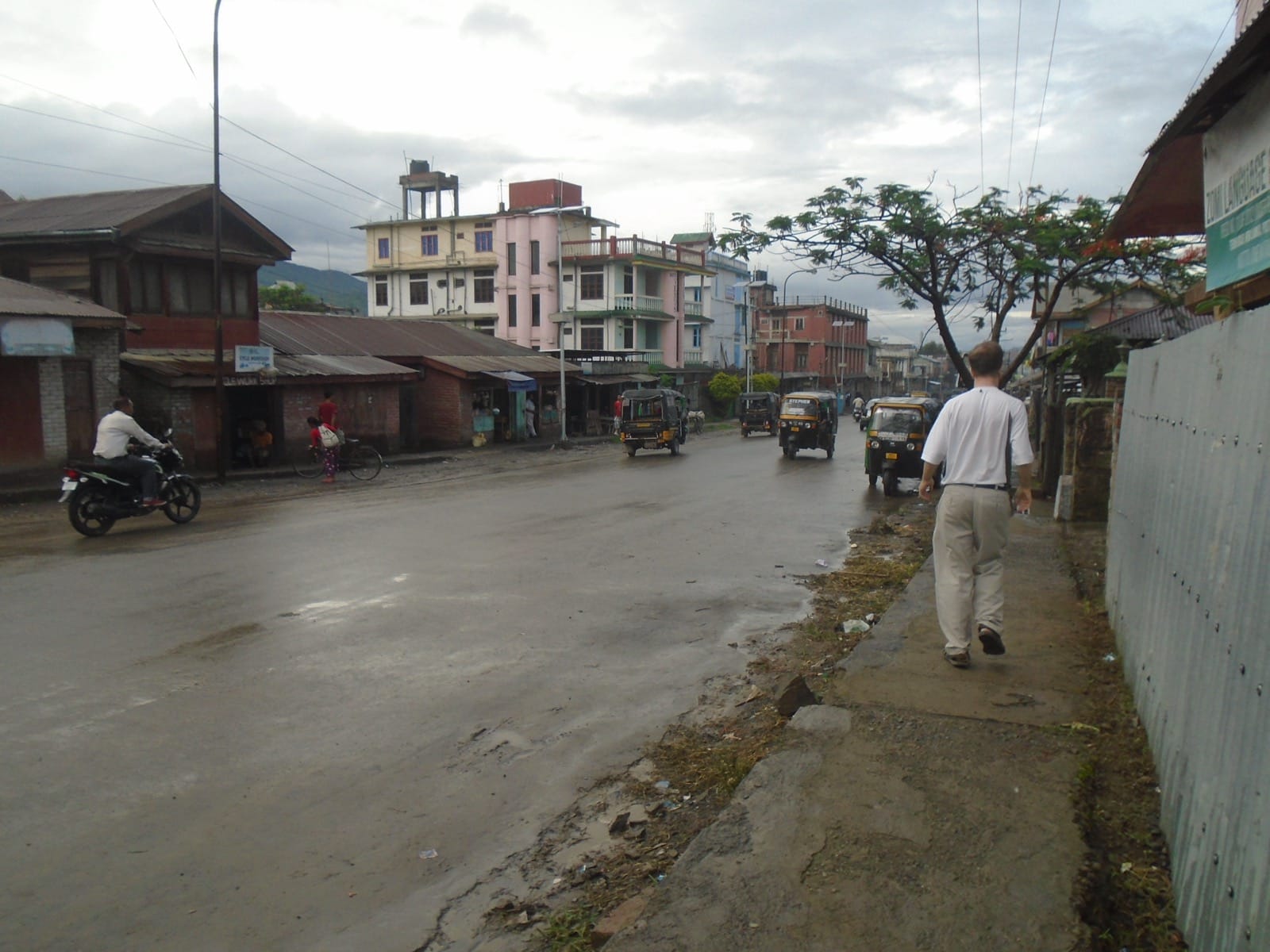
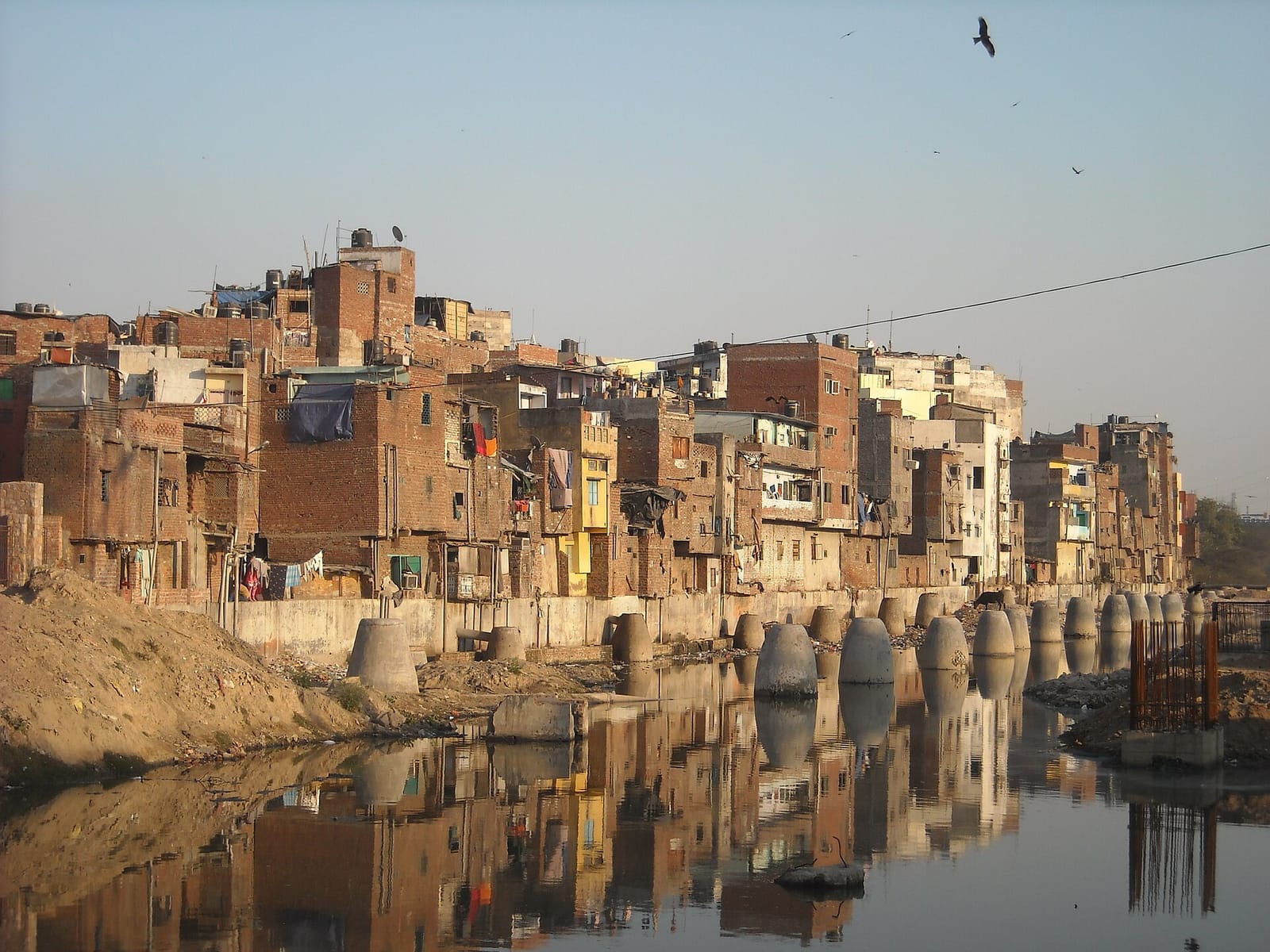
Zubaida starts work at eight in the morning in Seemapuri, a settlement in East Delhi. She sorts discarded plastic, glass and chemicals by hand to find things she can sell. In June 2025 the sorting centers nearby were shut, so she and other waste pickers worked beside a dusty road through the hottest hours, with no fan and no shade. On June 11 that year, India’s weather office put Delhi on red alert for heat.
“We cannot stop,” she told the magazine WIRED. “We earn each day to eat each day. If we miss a day, we miss a meal.”
Indoors can be hotter still. “If the outside temperature is 40 degrees Celsius, a house with a tin roof can reach 45 degrees Celsius indoors,” says Anshu Sharma, co-founder of SEEDS. “And that’s where the most vulnerable people, infants, elderly, and the unwell, are stuck during the hottest times of the day.”
A tin-roofed home in a settlement can be about 6C hotter than a house with a garden on the same street, architect Ujjvala Krishna told WIRED. Yet a 2023 study found that 95 percent of India’s heat action plans, the main way cities prepare for heatwaves, have no detailed map of heat-prone areas or vulnerable people. The plans are not legally binding either.
When Chintan, a Delhi nonprofit that works with waste pickers, surveyed 484 people in their settlements during a project that ran from 2022 to 2024, every one of them reported health effects from heatwaves. Forty-five percent had fainted or felt sick in the heat, and 27 percent had breathlessness or asthma. Seventy-seven percent said they would welcome an early warning system.
AI solution
SEEDS has worked on disasters since 1994. In 2018 it received a grant from Microsoft’s AI for Humanitarian Action program and worked with Microsoft to develop the model. The model it built first warned families about cyclones and floods, starting with a pilot during cyclones Nivar and Burevi in 2020, and was later used for heat.
The idea is to treat each roof as a clue to how exposed a home is. Homes with roofs of mud, branches or palm leaves score as riskier than concrete or brick. To teach the model, the team tracked indoor conditions in homes with tin, tile, plastic-sheet and concrete roofs. “That trained the model to recognize patterns, which we then combined with satellite imagery to identify roof types and building materials at scale,” Sharma told WIRED. He says SEEDS can now estimate indoor heat for single buildings in similar places without putting sensors in them.
The model also weighs how crowded the area is, how much greenery it has and how close homes are to water. It then colors every building on a map by its risk score. Volunteers open these maps on their phones to decide where to go first with warnings, water or other help. The advice goes out in local languages.
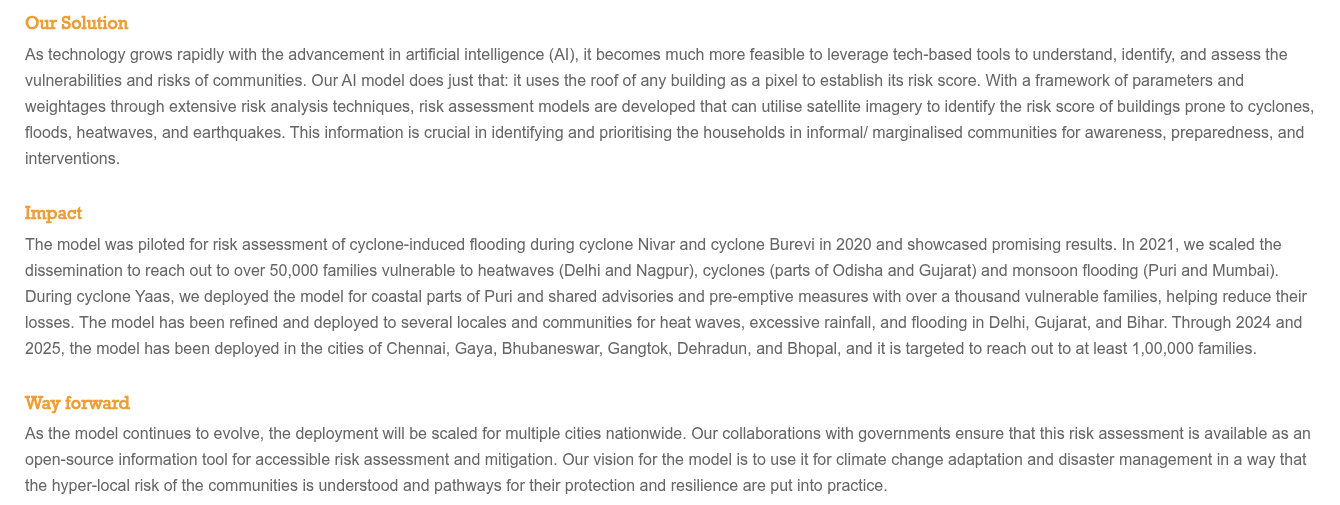
Microsoft says Sunny Lives was developed with its AI for Good Lab, and that a data science company, Gramener, helped build the system that turns the model’s output into risk maps.
Impact
Sunny Lives is in use, and its reach figures come from SEEDS and its partners. In 2021, SEEDS says, its advice reached over 50,000 families at risk from heatwaves in Delhi and Nagpur, and from cyclones and floods elsewhere. In 2022, Microsoft reported that the model had generated heat risk information for about 125,000 people in settlements in New Delhi and Nagpur. SEEDS says that in 2024 and 2025 the model went to six more cities, from Chennai to Gangtok, with a target of at least 100,000 families.
The maps now guide hands-on work. From 2022 to 2024, a company called SEEDS Technical Services used Sunny Lives to map heat risk in Chintan’s settlements. In a 2025 to 2027 project with the Howden Foundation, AI heat mapping is meant to pick the homes in Sultanpuri, North West Delhi, to insulate with jute bags, bamboo mats and creeper plants: 1,450 shelters, with 600 planned for 2025 and 850 for 2026.
A map tells a team where to start, and the cooling is done by hand. Chintan tested low-cost cool roofs in settlements where it works. In March 2023, water-filled plastic bottles on one roof kept a home 3C cooler than the air outside, though the bottles were later stolen to sell. In another pilot, homes with white reflective roof paint peaked 1.5C cooler than an untreated home.
Then Chintan went back. In April 2025 it checked 200 homes with painted roofs and found not one still in good condition. About 59 percent were usable and 41 percent were destroyed. The check was about the paint, which the AI does not choose or apply.
No one has published an independent test of the model’s accuracy, or a study of whether its warnings changed people’s health.
People
Sharma co-founded SEEDS with Manu Gupta. In 2023, project manager Rinki Gupta was working with East Delhi families on heat. “Many people don’t believe they’re in danger. The AI gives us evidence,” she told Microsoft.
SEEDS ran quizzes, contests and focus groups, and residents helped work out their own household risk scores. Vanshika Paswan, a teenager, insulated her family’s water tank, and Razia covered her bamboo roof with jute bags. A SEEDS “Beat the Heat” competition drew over 14,000 entries; one roof covering cut a home’s temperature by nearly 4C.
Chintan’s project worked with 1,000 women from low-income neighborhoods in and around Delhi. In one settlement, women ran a community weather station with help from young people.
Why it matters
Heat plans that treat a whole city the same will miss the family under the tin roof. “We now have the tech to zoom in down to individual buildings and clusters, and it’s available and affordable,” Sharma says. With Sunny Lives, a nonprofit uses that technology to choose whose door to knock on first. Chintan’s follow-up on its painted roofs is a useful reminder that the next step, a home that stays cooler year after year, depends on materials that last and on people who keep going back.
What we could not confirm (7)
- How accurate the roof-based heat estimates are. We found no published accuracy figures and no independent test.
- Whether the warnings changed health outcomes. No study of illness or deaths among families reached has been published.
- How many people the heat model reaches today. The latest heat-specific figure is about 125,000 people in 2022, reported by Microsoft. We found no Sunny Lives news after June 2025; a November 2025 article by SEEDS staff mentions AI and mapping tools for heat but does not name the model.
- Which hazards the model covers in the six cities added in 2024 and 2025, and how many families were reached there.
- How SEEDS Technical Services, which ran the model for Chintan, is related to the SEEDS nonprofit.
- Whether the 850 homes planned for insulation in 2026 under the Howden Foundation project were completed.
- Whether residents shown on the maps were asked for consent to have their homes scored.
FAQs (5)
What is Sunny Lives?
An AI model from the Delhi nonprofit SEEDS that reads roof types from satellite images and gives each building a risk score for heat, floods or cyclones, so field teams know which families to reach first.
How does the AI estimate heat inside a home?
The team measured indoor conditions under tin, tile, plastic-sheet and concrete roofs, trained the model on those patterns, then used satellite images to find those roof types across a city. It also weighs crowding, greenery and distance to water.
Who built Sunny Lives?
SEEDS developed it with Microsoft, under a grant from Microsoft's AI for Humanitarian Action program. Microsoft says its AI for Good Lab and the data science company Gramener were involved.
Has it been proven to work?
By 2022, Microsoft reported, it had produced heat risk information for about 125,000 people. SEEDS reports reaching over 50,000 families in 2021. There is no independent test of its accuracy or its effect on health.
Where is it used?
For heat, mainly in informal settlements in Delhi and Nagpur. SEEDS says it was deployed in six more Indian cities in 2024 and 2025.
Sources (8)
SEEDS, 'AI for Resilient Cities with Microsoft' project page, undated, checked 2026-10-31
SEEDS homepage, checked 2026-10-31
Microsoft Unlocked, 'SEEDS: Survive. Adapt. Thrive.', 2023-04-11
Loktej, SEEDS and Howden Foundation partnership announcement, 2025-03-27
Counterview, 'A silent killer: from hotspots to heat', Sumeet Agarwal (SEEDS), 2025-11-20
Fact-checked against sources on October 31, 2026. Spot an error? Tell us.
This story supports