Problem
In March 2026, rangers on patrol in the Maya Forest of northern Guatemala found feathers from hunted birds and paths cut through the trees. The paths led to a fresh clearing of about 2 hectares (5 acres), probably opened by people planning to settle there. Nobody was around. The rangers guessed the trees had come down about eight days earlier.
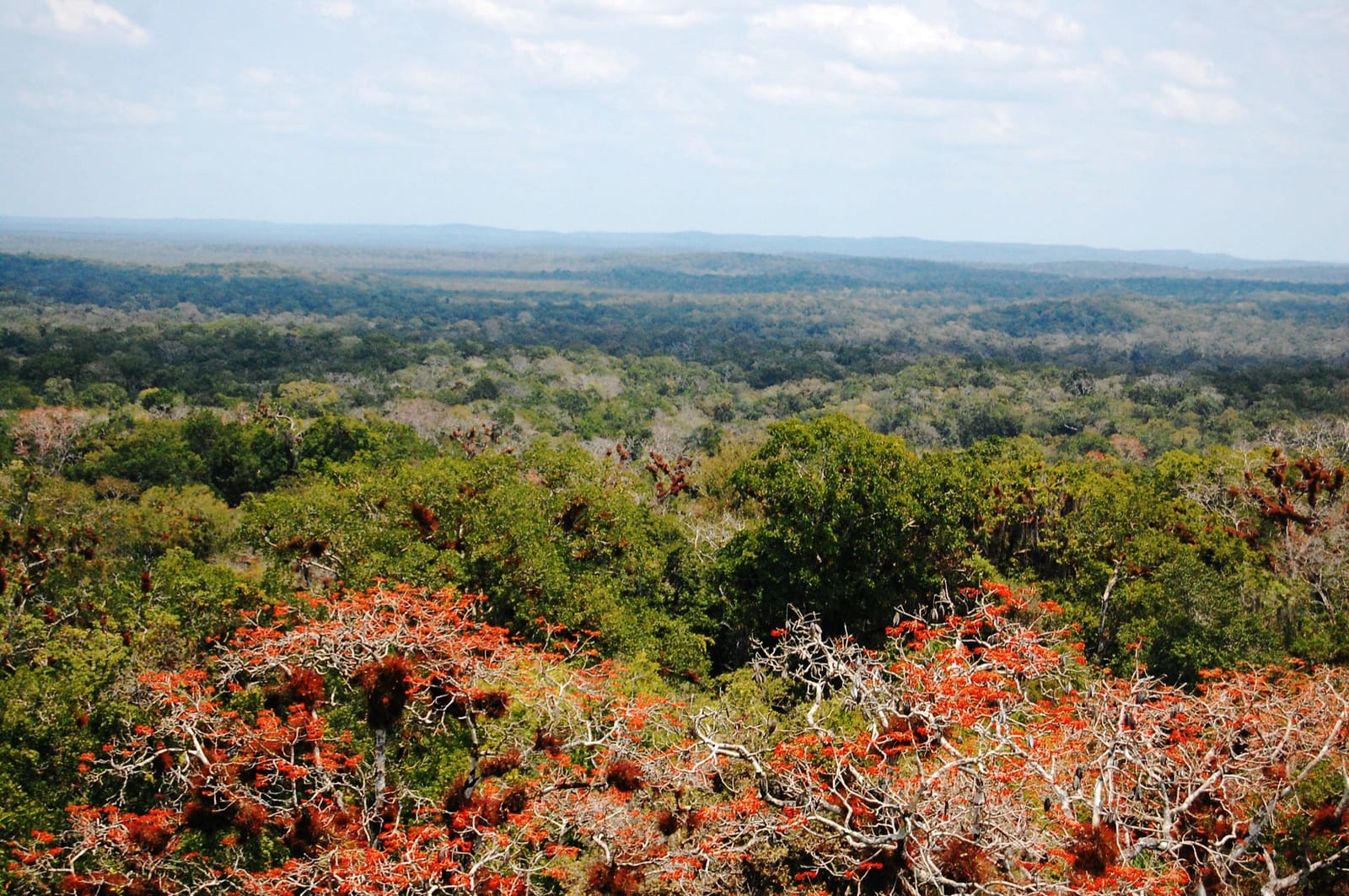
Even with camera traps, there had been almost no way to catch it as it happened. The Maya Biosphere Reserve covers 2.2 million hectares, a patchwork of national parks, logging concessions and wildlife corridors. Parts of it are under pressure from cattle ranching, illegal logging and illegal settlement. Cornell also names drug trafficking, fires and poaching as threats.
“If we're going out regularly to a site every two or three months, and something happens a day after the last visit, then two or three months will go by with no information.”Rony García Anleu, director of biological research, WCS Guatemala, to Mongabay, April 2026
WCS has used sound recorders in the reserve for about three years. They capture only a few hours of sound a day, and a ranger has to travel to each one, sometimes days from the nearest station, to collect the memory card.
AI solution
The new devices come from the K. Lisa Yang Center for Conservation Bioacoustics at the Cornell Lab of Ornithology. Bioacoustics is the study of sounds in nature. Guatemala will get a real-time version of a new recorder that Cornell is developing with the company Analog Devices. It analyzes sound in the field and reports back what it hears.
A recorder hangs in the forest and listens. Inside it runs an AI model, a sound classifier, which the team will train before installation on recordings of chainsaws, gunshots, engines and other human noise so it can tell their patterns apart. When it hears a match, it sends a small package by satellite with a short clip of the sound, plus the location, date and time, to an online repository that researchers and rangers can open.
How it works
- 01 Listen A forest recorder hangs in the trees and an on-board AI model listens for chainsaws, gunshots and engines.
- 02 Send On a match, it sends a short clip, the location, date and time by satellite to an online repository.
- 03 Decide Rangers see the clip, a spectrogram and a confidence score, then decide whether to go out.
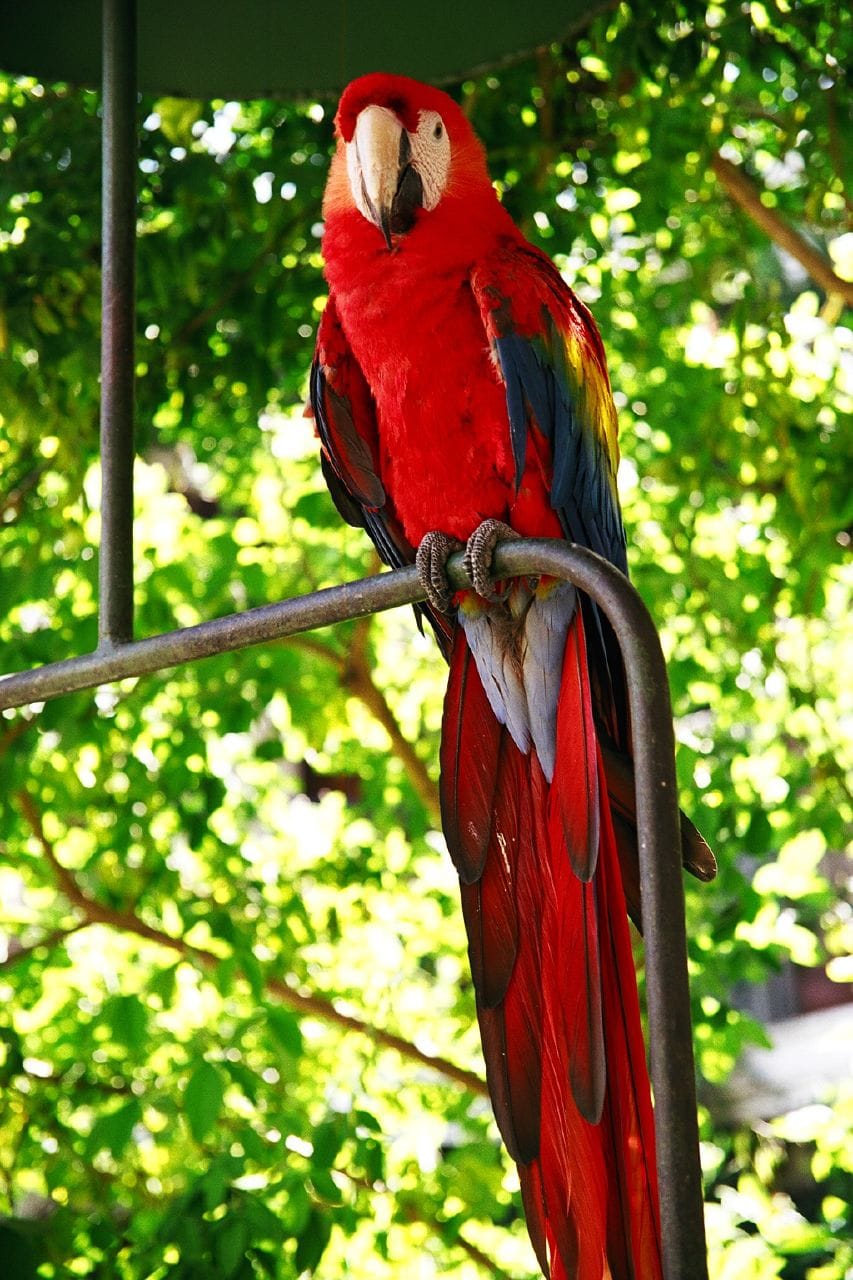
Holger Klinck, who directs the Yang Center, expects the model to handle 50 to 100 different sounds. The team plans to add a few wildlife calls, such as those of scarlet macaws, but the focus is environmental crime.
The forest makes the job difficult. “We’re talking about areas that have some of the highest levels of biodiversity on the planet, so there’s a lot going on,” said Laura Figueroa, a conservation professor at the University of Massachusetts Amherst who is not part of the project. Animal calls overlap, and some sounds are close cousins: a snapping branch can sound a lot like a gunshot.
So the design leaves the final call to rangers. Each alert comes with the audio clip, a spectrogram (a picture of the sound, showing pitch and loudness over time) and a confidence score. Rangers can listen for themselves and compare shapes; a chainsaw looks nothing like a bird call on a spectrogram. Klinck warns that too many false alarms would teach rangers to ignore alerts.
“We want to loop in the people that act on the data,” he said. “We want to include them in the process, actually having them trust in the actions they’re taking.”
Impact
There are no results yet. In April 2026, Mongabay reported that the devices were “scheduled to be tested this year and installed early next year.” We found no public report of those tests, no accuracy figures and no false-alarm rate.
The alerts are near real time, not instant: to save power, the recorders send data only now and then, so an alert can take minutes, hours or even days to arrive. Some recorders will sit in places that take days to reach, especially in the June to October rainy season. At a planning meeting in January 2026, two pickup trucks got stuck in the mud and had to be winched out.
“Even if we receive it in real time, we’re not going to arrive in real time, we’re not going to teleport,” García Anleu said.
The team also expects to lose devices to theft and damage. Klinck said people have shot at recorders in the past without knowing what they were. Curious cattle and harsh weather are risks too.
The plan is to combine sound alerts with camera traps, drones, satellite images and what rangers see on the ground, an approach the team calls “data fusion.” Several team members told Mongabay that getting all these tools to work together will take a lot of trial and error.
A note on sources: most details here come from one Mongabay report. Cornell lists Mongabay as a collaborator on the wider project; the Mongabay article does not mention this.
People
WCS Guatemala, whose rangers and researchers patrol the reserve, is the field partner. Jeremy Radachowsky, WCS director for Mesoamerica and the Caribbean, put it this way: “They’re basically giving us ears in the forest to detect and address threats in a much quicker and much more efficient manner.”
Chemnitz University of Technology in Germany and Brazil’s Federal University of Mato Grosso do Sul are also partners. A second part of the project, with WCS Brazil, will listen to wildlife in Brazil’s Pantanal wetland.
The work is funded through the Bezos Earth Fund’s AI for Climate and Nature Grand Challenge, which in October 2025 named 15 teams that can each receive up to $2 million. Cornell says its share is a $1.8 million grant, covering both Guatemala and the Pantanal.
The rangers who will receive the alerts are not named in any source we found. In January 2026, the team discussed who should get alerts, what should trigger a patrol and when it is safe to go.
Why it matters
In parts of the Maya Biosphere Reserve, clearing can go unseen for months between patrols. This project aims to cut that delay to minutes, hours or days, and its builders say plainly that rangers will still need time to get there. Rangers will be able to hear each sound for themselves before they set out. At the last public update, in April 2026, the recorders were due to go into the forest in early 2027.
What we could not confirm (5)
- Whether the field tests planned for 2026 took place, and what they showed. No detection accuracy or false-alarm rate has been published.
- The exact install date beyond “early 2027”, the sites, and how many recorders will be used.
- How rangers and communities in the forest concessions are involved beyond receiving alerts. WCS and Cornell project pages were not reachable when we checked.
- How the $1.8 million is split between Guatemala and the Pantanal, and how much goes to WCS.
- Most of the detail in this story comes from a single Mongabay report. Cornell lists Mongabay as a project collaborator, which the article does not disclose. We could not check whether that affected the coverage.
FAQs (5)
What is the Maya Forest acoustic AI project?
A pilot by WCS Guatemala and Cornell's K. Lisa Yang Center for Conservation Bioacoustics to place recorders in Guatemala's Maya Biosphere Reserve that recognize sounds like chainsaws, gunshots and engines and alert rangers by satellite.
Is it working yet?
Not yet. As of April 2026, the devices were scheduled for testing in 2026 and installation in early 2027. No field results have been published.
Do rangers get alerts instantly?
No. The team describes the system as near real time. To save power, recorders send data periodically, so alerts can take minutes, hours or days, and some sites take days to reach.
How do rangers know an alert is real?
Each alert includes the sound clip, a spectrogram (a picture of the sound) and a confidence score, so rangers can listen and judge for themselves before going out.
Who funds it?
The Bezos Earth Fund's AI for Climate and Nature Grand Challenge. Cornell says it received a $1.8 million grant covering this project and a sister project in Brazil's Pantanal.
Sources (4)
Fact-checked against sources on October 30, 2026. Spot an error? Tell us.
This story supports